
Understanding Shipping Containers: The Steel Boxes That Changed Global Trade
August 26, 2026 Ocean Cargo
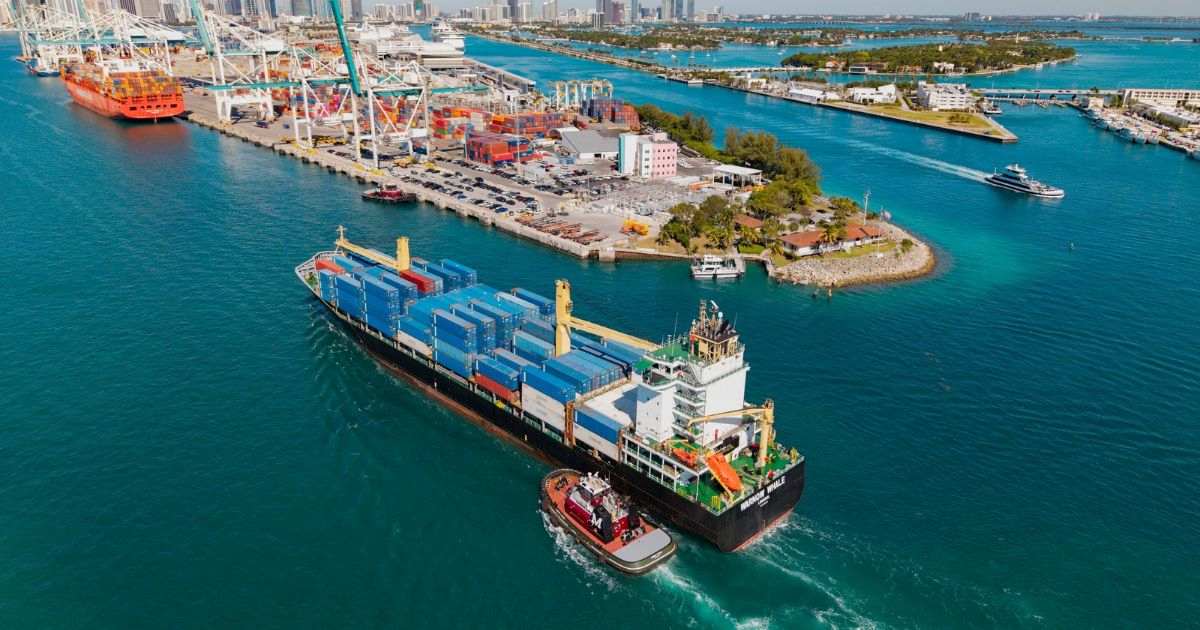
It’s hard to imagine international trade without shipping containers. These steel boxes are everywhere — at ports, on highways, aboard cargo ships — yet we rarely stop to consider their importance. At Bon Trade, we work with them every day, and we’ve seen firsthand how much they shape global trade. They made international transportation faster, safer, and more affordable.
Trade Before Shipping Containers
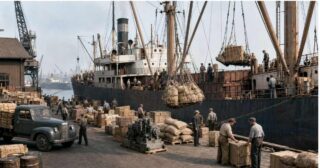
Before containers, most cargo shipped as breakbulk — boxes, barrels, bags, machinery, and other goods handled individually. Workers moved cargo from trucks into warehouses, then to the dock, then aboard a ship. At the destination, the process happened again in reverse.
This system was slow and expensive. Cargo was also exposed to theft, weather, and damage every time it was handled.
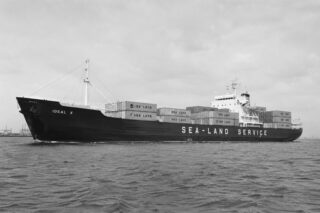
That changed in 1956, when American trucking entrepreneur Malcolm McLean developed a simpler method: pack cargo into a standardized steel box that moves between truck, ship, and railcar without unloading in between. McLean’s converted tanker, the Ideal X, sailed from Newark, New Jersey, to Houston, Texas, carrying 58 containers. That voyage launched a transportation revolution.
Different Types of Shipping Containers
The basic idea hasn’t changed, but containers now come in many sizes and designs.
The standard 20-foot dry container suits dense or heavy cargo — machinery, building materials, canned goods, palletized merchandise. The 40-foot dry container offers roughly twice the loading length and is common for furniture, household goods, and retail merchandise. The 40-foot High Cube is about a foot taller, which helps with bulky but lightweight cargo. (In the industry, these are also labeled by ISO code — 22G1, 42G1, and 45G1 — though most importers just use the names above.)
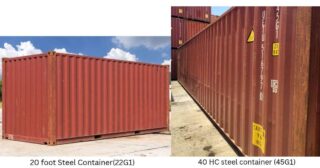
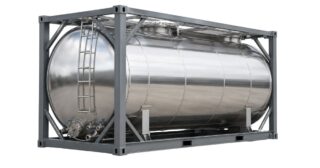
Other specialized containers we handle regularly include:
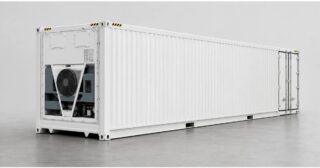
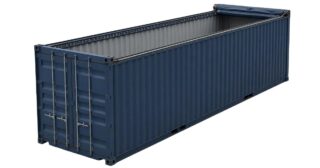
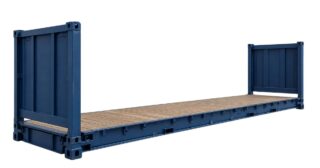
Why Standardization Matters
The real value of shipping containers isn’t the steel box — it’s the worldwide standardization behind it.
A container can be loaded at a warehouse, trucked to a port, shipped thousands of miles, and continue by truck or rail — all without unloading the goods inside. Ships, cranes, chassis, railcars, and terminals are all built around the same standards. That cuts handling time and cost, and helps protect cargo along the way.
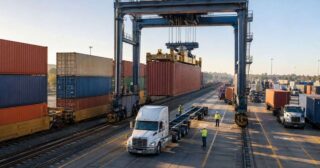
For Caribbean importers — the customers we work with most — shipping containers are essential. Food, furniture, vehicles, construction materials, and machinery regularly arrive in the region by container.
Choosing the Right Container
Choosing the right container takes more than picking a 20-foot or 40-foot unit. Cargo weight, dimensions, loading method, and destination all matter. Dense cargo may hit the weight limit before it’s full. Lightweight but bulky cargo may need a 40-foot High Cube. Oversized machinery may call for an open top or flat rack, and temperature-sensitive goods need a reefer.
Getting this wrong drives up costs, or worse, leaves you with cargo the ocean carrier won’t accept. This is where we spend a lot of time with customers — matching the container to the cargo before it reaches the port.
New, Used, and Cargo-Worthy Containers
Containers are also sold outright for storage, workshops, and other uses. A one-trip container is typically newer and in better cosmetic shape. A Cargo Worthy container may qualify for international transport after inspection. A Wind and Water Tight container works for storage but won’t pass for ocean transportation.
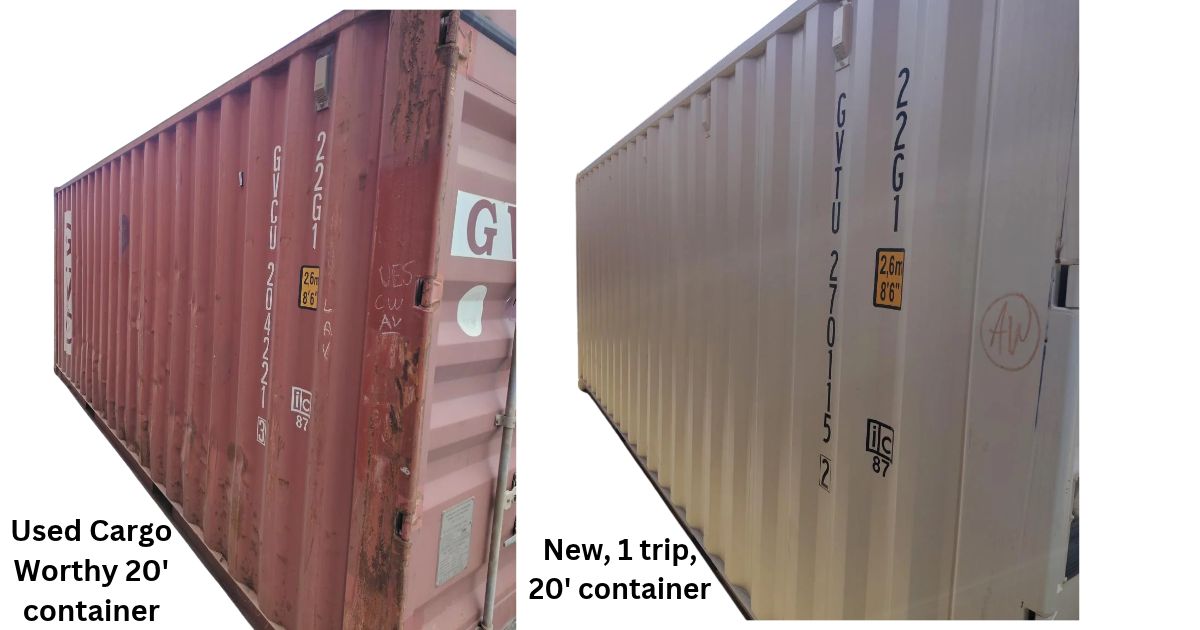
The intended use should determine the condition and certification you need — worth a conversation before you buy.
A Foundation of Global Trade
Shipping containers look simple, but they support a remarkable global system, and their purpose hasn’t changed since 1956: pack the cargo once, and move the container instead of repeatedly handling what’s inside. At Bon Trade, we help customers select equipment, purchase containers, load cargo, and arrange transportation from Miami to the Caribbean — because the humble steel box is a foundation of modern trade, and getting the details right is our job.
Container Sales Information
Bon Trade Guide to Shipping Containers