Ocean Cargo Archives - Bon Trade Intl. Corp.

Statue-of-LibertyB.jpg

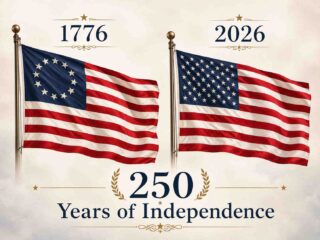
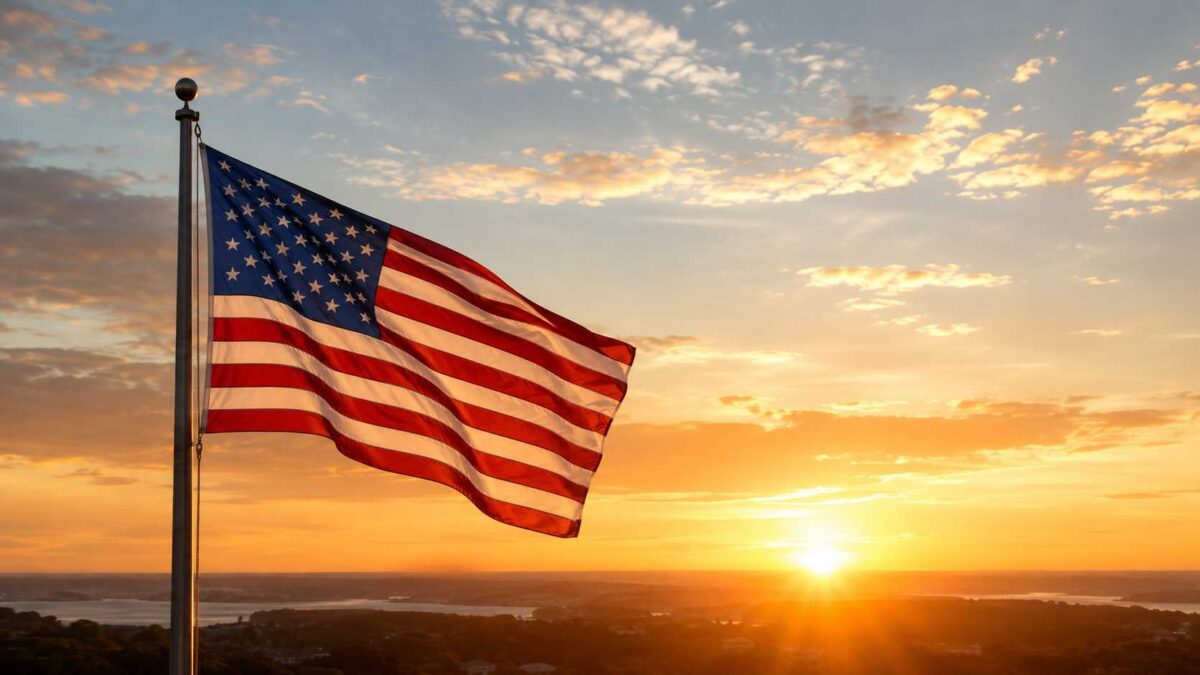
On July 4, 2026, the United States celebrates 250 years of independence.

This is a major milestone. It is a moment to honor the birth of a nation. It is also a time to reflect on the ideas that helped shape the United States and inspire people around the world.

July 4 is more than a holiday. It marks the day Americans celebrate independence as a nation. In 1776, the thirteen colonies declared that people had the right to choose their own future. That idea was bold then. It remains powerful today.

America at 250 is a story of courage, struggle, progress, and renewal. It is not a story of perfection. No nation has that story. But it is a story of a country that has continued to grow, adapt, and reach toward its founding ideals.

A Nation Built on Big Ideas

The Declaration of Independence gave voice to a belief that changed history. It said that liberty, rights, and self-government mattered. It said that government should answer to the people.

Those ideas helped shape the United States. They also influenced many others beyond its borders.

Over 250 years, America has faced great challenges. The nation expanded across a continent. It survived a Civil War. It abolished slavery. It welcomed generations of immigrants. And it became a center of industry, science, education, culture, and technology.

America also had to confront difficult truths. The promise of freedom was not shared equally by everyone at the beginning. Many people had to fight for the rights that the nation claimed to value. That work has included abolition, women’s rights, civil rights, voting rights, and the continued effort to build a fairer society.

This is part of what makes America’s story important. The United States has often been strongest when it has been willing to correct itself.

Milestones That Shaped the World

The United States has had a major impact on the modern world.

Its Constitution created a lasting system of self-government. Its economy helped drive global trade. Its universities and research centers helped advance knowledge. Its businesses helped create new industries. Its culture reached people through music, movies, sports, technology, and ideas.

In times of war and crisis, America also played a major role. American forces helped turn the tide in two World Wars. During the Cold War, the United States stood as a leading voice for democracy. In 1969, the Apollo 11 moon landing showed what vision and effort could achieve.

America at 250 gives us a chance to remember these achievements. It also gives us a chance to think about the responsibility that comes with influence.

A Caribbean Perspective

As someone from the Caribbean and involved in shipping between South Florida and the islands, I also see this anniversary from a regional point of view.

The Caribbean connection is not the main story of America’s independence. But it is an important part of the wider story.

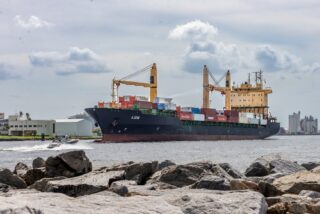
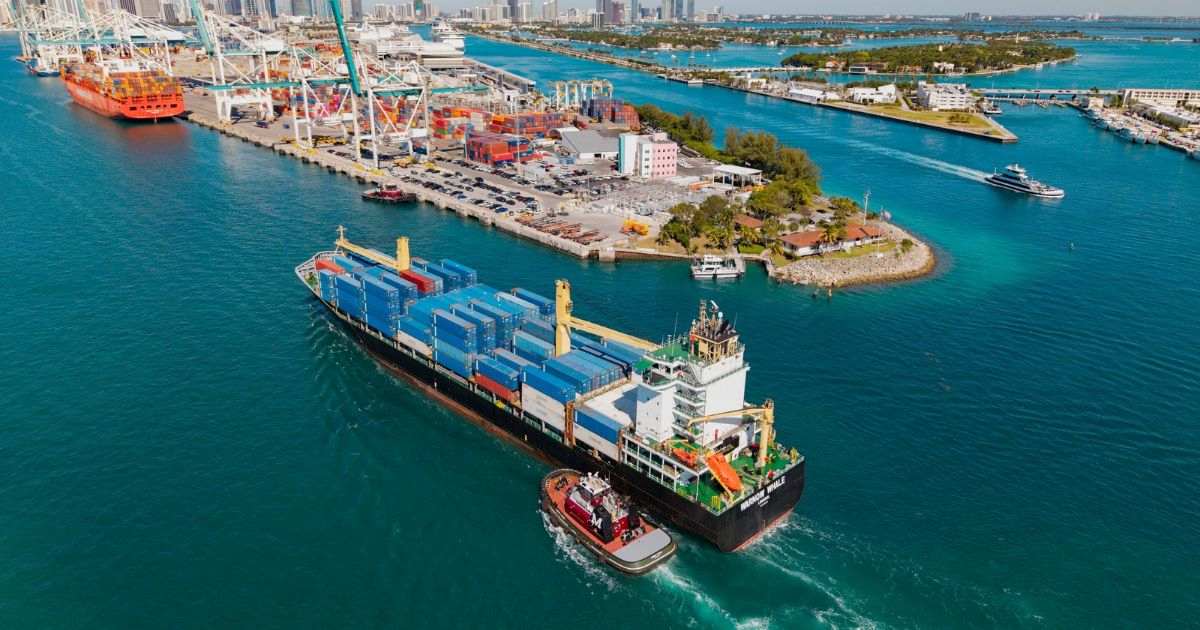
Port Everglades, a gateway to the Caribbean

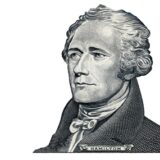
The United States and the Caribbean have long been connected by trade, travel, migration, family ties, and shared waters. These ties go back centuries. Even Alexander Hamilton, one of America’s Founding Fathers, was born in Nevis in the Caribbean.

Alexander Hamilton

Today, the relationship remains very important. For many Caribbean nations, the United States is a key trading partner. It is also a source of tourism, education, investment, supplies, and disaster support.

For the United States, the Caribbean is also important. The region is a close neighbor. It is a cultural partner and a strategic gateway. It is also home to strong communities with deep ties to American cities such as Miami, New York, Orlando, and Hartford.

This relationship works both ways. The Caribbean benefits from access to the U.S. market, products, services, and institutions. The United States benefits from Caribbean culture, tourism, entrepreneurship, location, and people-to-people connections.

In shipping, this connection is visible every day. Vehicles, household goods, commercial cargo, and supplies move between South Florida and the islands because people and businesses depend on each other. Behind every shipment, there is a purpose. There may be a family sending goods home. There may be a business restocking inventory. There may be a customer buying a vehicle. There may be an island community depending on reliable service.


That is why the U.S.-Caribbean relationship is a true win-win relationship. It is built on geography. But it is strengthened by trust, commerce, culture, and shared opportunity.

Looking Ahead

America at 250 is a time to celebrate. It is also a time to look forward.

The United States has reached a milestone few nations achieve. It has done so through change, debate, sacrifice, and renewal. Its best quality may be its ability to keep improving.

For Americans, July 4, 2026, is a celebration of independence as a nation. To friends and neighbors around the world, it is also a moment to recognize America’s lasting influence.

For the Caribbean, a strong and stable United States remains important. Our futures are closely connected. We share trade routes, family ties, business relationships, and cultural bonds.

Happy 250th, America. May the next chapter be written with wisdom, courage, humility, and hope.


HeroImage4-1200x675.jpg

How the Sea Shaped the Caribbean — and the World

The View from the Shore

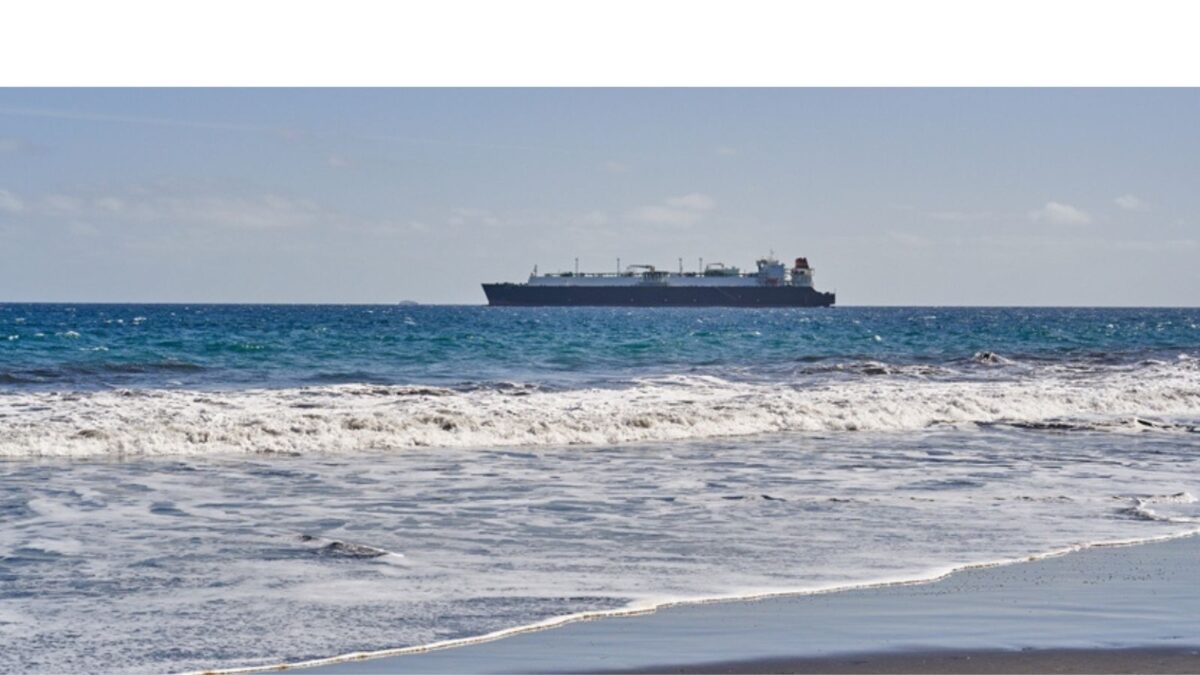
Imagine standing on a Caribbean shore at sunrise. The trade winds are warm on your face. The water shifts from deep navy to turquoise as it reaches the sand. It looks like paradise – and it is. But look closer. Out on the horizon, you may see something that has long been part of this view: a ship.

The Origins of Maritime Shipping

Long before airports, highways, and modern ports, water was humanity’s first great road. Rivers, lakes, and oceans connected places that land could not easily reach. The story of maritime shipping began with simple craft: logs, rafts, dugout canoes, and reed boats used for fishing, travel, and trade.

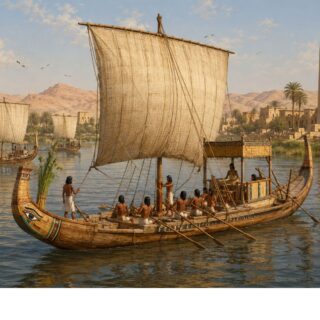
The earliest known physical boat, the Pesse canoe from the Netherlands, dates to roughly 8000 BCE. By 4000 BCE, Egyptians were using boats and sails on the Nile. They moved grain, stone, people, and ideas along one of the world’s earliest transport corridors. Wind became an engine. Rivers became highways. Trade began to move farther than a person could walk.

How Maritime Trade Shaped Early Civilizations

As civilizations grew, their vessels grew with them. The Phoenicians, Greeks, Romans, Arabs, Vikings, Chinese, and many others expanded trade across seas, rivers, and coastlines. Their ships carried food, metals, textiles, spices, timber, and people. But they also carried something less visible, which is culture, language, technology, ideas, and ambition. Maritime shipping helped turn isolated communities into connected economies. Much like the story told in EPCOT’s Spaceship Earth, the movement of people and goods also became a movement of information. Ships did not just connect ports. They helped connect civilizations.

The Caribbean Before European Contact and as a Maritime Crossroads
Canoes used by the Taino and Carib tribes

The Caribbean entered this wider story of maritime shipping history long before Europeans arrived. Indigenous peoples moved between islands by canoe, trading, fishing, migrating, and building relationships across the sea. For them, the water was not a barrier. It was a connection.

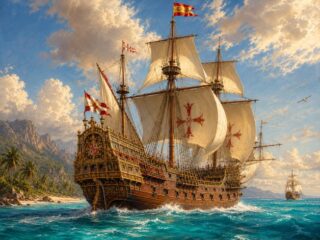
After 1492, the Caribbean became one of the most important maritime crossroads in the world. Spanish galleons, Dutch traders, English and French fleets, privateers, merchant ships, and enslaving vessels all moved through its waters. This was a powerful and often painful period of history. Sugar, tobacco, coffee, cotton, rum, silver, and other cargo flowed across the Atlantic. Caribbean ports such as Havana, San Juan, Kingston, Bridgetown, Willemstad, and Philipsburg grew in importance because ships made them part of a larger commercial world.

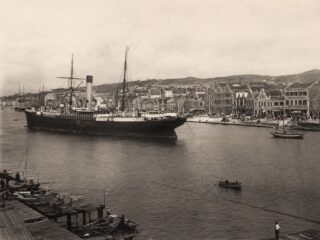
Sail ships of the Middle Ages
Steam Power and the Age of Reliability

The age of sail depended on wind, currents, and patience. Then steam changed everything. In 1819, the SS Savannah crossed the Atlantic using both sail and steam power. Steamships introduced a new idea: schedules. Ships could move more predictably, regardless of wind. For island economies, that reliability mattered. Freight, mail, passengers, and supplies could move with greater regularity.

Steamship with sail assist
The Panama Canal and Caribbean Trade

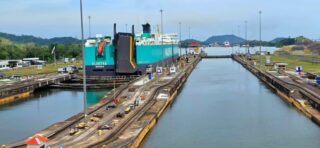
The next major shift came with diesel engines, larger steel ships, and the opening of the Panama Canal in 1914. The canal connected the Atlantic and Pacific oceans through the Caribbean basin. It strengthened the region’s role in global trade. Ships no longer had to sail around South America to move between oceans. Caribbean ports became even more connected to long-distance shipping routes.

Connecting the Atlantic to the Pacific
The Steel Box That Changed Shipping History
Where container shipping started

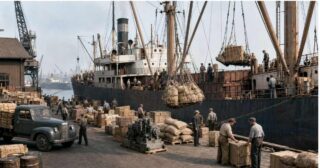
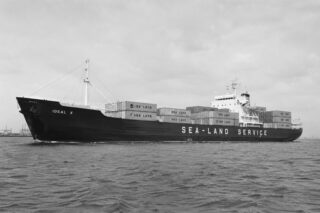
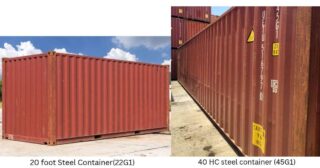
Then came the steel box. In 1956, Malcolm McLean’s converted tanker, the Ideal X, carried 58 containers from Newark, New Jersey, and helped launch a new era in maritime shipping. Containerization changed the industry by making cargo easier to load, seal, stack, transfer, and track. It reduced handling costs, shortened time in port, and made global trade faster, safer, and more reliable.

For the Caribbean, where many islands depend heavily on imported goods, container shipping became part of everyday life. Food, vehicles, machinery, building materials, retail goods, and household items now move through regional ports in a system built around standardized containers. It also helped create an important role for non-vessel operating common carriers, also known as NVOCCs or consolidators. Companies like Bon Trade International use this system to combine cargo from different customers and move it efficiently by sea to Caribbean destinations.

The Future of Maritime Shipping in the Caribbean

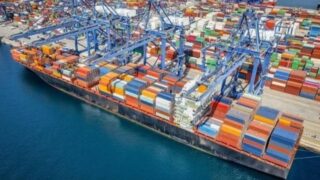
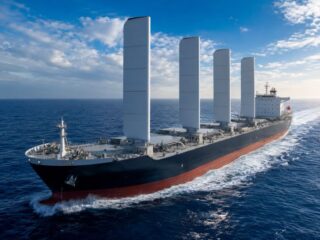
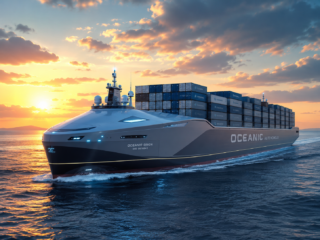
Today, maritime shipping still carries most of the world’s traded goods by volume. But the industry is entering another transition. Cleaner fuels, better routing, larger vessels, port modernization, and green shipping corridors are reshaping the future. Shipping remains essential, but it must also become cleaner and more efficient. That future matters deeply to the Caribbean. These islands have always depended on the sea for connection, commerce, food, tourism, and identity.

Ships with mechanical sails to reduce emissions
Autonimous ships to increase saftey, efficiency and reduce cost.
A Story Still Being Written

From the first dugout canoes to sail-powered ships, from steam engines to diesel vessels, and from break-bulk cargo to containers, maritime shipping has shaped how the world moves — and how the Caribbean lives. For generations, the sea has connected islands, carried trade, supported families, and opened doors to opportunity. Bon Trade International is proud to be part of that continuing story, serving the Caribbean with reliable transportation solutions and a constant focus on improving the way cargo moves.

Stand on that shore once more. The water is still blue. The trade winds are still moving. And somewhere on the horizon, there is still a ship — carrying goods, connecting people, and adding another chapter to a story thousands of years old, and still being written!


TradeLanesM7.jpg

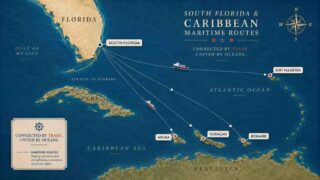
How Unified Teams in Miami, Aruba, and Curacao drive seamless shipping success

In shipping and logistics, there’s no such thing as a solo act. Every smooth shipment, every satisfied customer, every on-time delivery — it all comes down to teamwork.

At Bon Trade, we’re proud of the strong team we have at our Miami operations. But we’re even prouder of the way we work hand-in-hand with our amazing partners: Bolt Xpress Cargo in Curaçao and Ashley Broker in Aruba.

Together, we’re more than just separate teams in different places. We’re one team with one mission: to deliver the best freight and shipping services possible across the U.S. and the Caribbean. Shipping from Miami to Aruba and Curaçao is our passion and we work hard to make it the best possible service.

And the secret to our success? It’s simple: trust, clear communication, and shared goals.

We hear these words all the time. However, for trust to build, to have clear communications and to have shared goals, requires a specific working relationship.  We do not just service each others needs. Instead we have developed partnerships that are greater than sum of our parts and our customers can feel the difference.

Why Teamwork Matters in Caribbean Shipping

When you’re moving freight across borders to islands like Aruba and Curaçao, even small missteps can create big problems.

We can’t afford confusion, delays, or miscommunication. That’s why strong teamwork isn’t optional — it’s essential.

Because our teams stay connected and coordinated, we’re able to:

  • Move cargo faster and more efficiently
  • Keep documents complete and accurate
  • Navigate customs smoothly in Aruba and Curaçao
  • Keep our customers updated at every step

At Bon Trade, Bolt Xpress Cargo, and Ashley Broker, we’re all aiming for the same thing: to deliver excellent shipping services to our clients throughout the Caribbean.

Aruba Team

Curaçao Team

How We Make It Work: 4 Keys to Our Team Success

1. We Communicate All the Time

Communication is our superpower. Every day, we check in, share updates, and solve issues together — whether it’s by phone, WhatsApp, or our shared systems. No one is ever
left wondering what’s happening with a shipment.

Tip: Make communication easy and fast. The smoother it is, the stronger your teamwork will be.

2. We Share the Same Goals

It’s not “your shipment” or “my shipment”—it’s our shipment.
We all want fast service, careful handling, and satisfied customers. When everyone is chasing the same finish line, great teamwork just happens.

Advice: Set clear goals from the start and revisit them regularly to stay aligned.

3. We Trust Our Local Experts

Nobody knows Curaçao like the team at Bolt Xpress Cargo.

Nobody knows Aruba like Ashley Broker. And nobody knows Miami logistics like the team here at Bon Trade.

We trust each other to manage what we know best and back each other up when needed.

Lesson learned: Trust isn’t automatic. It’s earned — and once it’s built, it becomes the glue that holds a great logistics team together.

On the left: Curacao Director Melissa van Rosberg

CEO of Ashley Broker Ms.Tecla Croes

4. We Learn and Celebrate Together

Every shipment teaches us something new.

We talk about what went right, what we can improve, and how we can do even better next time. This is how our teamwork keeps getting stronger.

Simple tip: Celebrate your wins and learn from your misses. That’s the real path to growth.

The Results Speak for Themselves

Because of our strong teamwork, shipping from Miami to Aruba and Curaçao, we’re able to consistently deliver:

  • On-time shipments across the Caribbean
  • Complete, compliant shipping documents
  • Cargo that’s secure, traceable, and handled with care
  • A smooth and stress-free customer experience

Most importantly, we deliver something that every shipping customer values: trust. Our customers know they can rely on us because we rely on each other.

One Mission, Many Hands

At Bon Trade, we believe teamwork is what sets us apart in the shipping industry.

It’s what keeps freight moving across borders, through ports, and onto doorsteps in places like Aruba, Curaçao, and beyond — without the headaches. It’s the combined power of the Miami crew, expert agents in Aruba and Curaçao, and strong relationships built on clear communication, trust, and shared goals. So whether you’re a customer, a partner, or just curious about how a logistics team really works — know this: Behind every shipment we move, there’s a team pulling together to make it happen.

And we’re just getting started.


LKDayB.jpg
A day to celebrate hope, justice and equality

Every year, on the third Monday of January, we honor Dr. Martin Luther King Jr., a leader who dedicated his life to fighting for justice and equality. This day is a time to remember his contributions and reflect on the values he stood for.

Dr. King was a prominent figure in the civil rights movement, advocating for change through peaceful protests and powerful speeches. His commitment to nonviolence and his belief in the power of words inspired millions. His dream of a world where people are judged by their character rather than the color of their skin remains one of the most iconic messages in history.

Martin Luther King Jr. Day is not just about honoring the past. It’s also an opportunity to think about the work that still needs to be done. While progress has been made, challenges like inequality and discrimination persist. This day encourages us to consider how we can contribute to building a more just and equitable society.

Do the right things by carrying his legacy forward

There are many ways to observe this day. Volunteering in your community, supporting organizations that promote equality, or simply learning more about Dr. King’s life and work are meaningful actions. His legacy reminds us that even small efforts can create positive change.

Dr. King once said, “The time is always right to do what is right.” These words resonate today, encouraging us to take steps—big or small—toward a fairer future.

As we observe Martin Luther King Jr. Day, let’s use this time to reflect on his vision and think about how we can uphold his principles in our own lives. This day is not just about remembering; it’s about continuing the journey toward justice and equality.


CaribbeanPortssmall.jpg

The Vital Role of Caribbean Ports

When we think of the Caribbean, images of breathtaking beaches, vibrant cultures, and festive carnivals often come to mind. However, behind the beauty lies a network of critical logistical hubs that sustain the region’s economies. Ports in Curaçao, Aruba, and St. Maarten serve as vital maritime gateways. They connect trade routes across the Americas, Europe, and beyond. These ports act as lifelines, enabling trade, tourism, and economic stability for the islands’ communities.

Curaçao’s Strategic Port: A Modern Maritime Hub

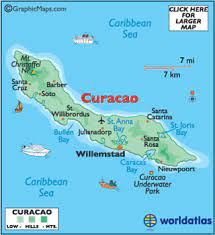
Curacao

The Port of Willemstad in Curaçao has a long history as a crucial trade hub in the Caribbean. It was established after the Dutch captured the island in 1634 and the port’s strategic location, on major shipping routes, led to its designation as a free port in 1675. By the 18th century, Willemstad had become a regional center for commerce, ship repair, and refueling.

Today, the port boasts a deep-water harbor, the Schottegat, and sits outside the hurricane belt. This makes it a dependable destination for international cargo ships and tankers, including those operated carriers that are used by Bon Trade Intl. Corp. The port plays a critical role in importing essential goods such as food, fuel, and construction materials while redistributing goods to neighboring islands. With continued modernization, Willemstad has positioned itself as a competitive player in the global maritime industry.

Cruise ships also play a significant role at Willemstad, bringing thousands of tourists who support local businesses and contribute to the island’s economy.

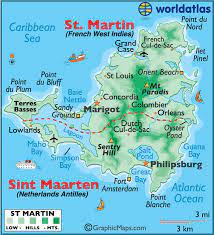
St. Maarten’s Philipsburg: A Cruise Liner Haven

Philipsburg, St. Maarten, has been a port of call since 1648. It evolved into a key stop for the world’s largest cruise liners. A second pier, constructed in 2009, expanded the port’s capacity and cemented its status as a major hub in Caribbean itineraries. The cruise industry drives the island’s economy, generating jobs and supporting small businesses that thrive on tourism.

Aruba’s Port of Oranjestad: A Historic and Modern Lifeline

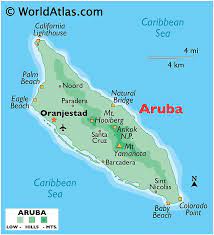
Aruba

Oranjestad in Aruba has a rich history. It evolved from a smuggling depot and naval base in the 18th century to a critical hub for imports and tourism today. Originally built to serve the Zoutman Fort and later the Lago Oil Refinery. The port has undergone extensive expansions over the years and it remains central to Aruba’s economic stability, facilitating trade and sustaining the island’s vibrant tourism sector.

Securing the Future of Caribbean Ports

To meet growing demands, Curaçao, Aruba, and St. Maarten are investing in their ports by expanding container terminals, upgrading digital infrastructure, and adopting sustainable practices. These advancements are vital for securing the long-term resilience of their economies.

Bon Trade Intl. Corp proudly supports trade and logistics by shipping freight and vehicles to these vital ports. As the Caribbean continues to strengthen its maritime infrastructure, these ports will remain crucial to fostering regional prosperity, enhancing tourism, and creating employment opportunities. Sustained investment in these hubs is key to maintaining the islands’ connectivity and economic stability in the years to come.


VeteransDay2024.jpg
Honoring our Heroes: Veterans Day in the United States

On November 11th, the United States celebrates Veterans Day. This holiday honors the men and women who served in the armed forces. Unlike Memorial Day, Veterans Day is for all veterans—those living, those who have passed, and those still in service. It’s a day to remember, reflect, and give thanks for the sacrifices they made to protect our nation’s freedom.

Veterans Day started as Armistice Day. This day originally marked the end of World War I, and when the Treaty of Versailles was signed on November 11, 1918. Later, in 1954, President

Dwight D. Eisenhower renamed it Veterans Day. The new name was meant to honor veterans from all branches and wars, from World War II to the Korean War and beyond.

A day of celebration and reflection

For many Americans, Veterans Day is personal. It’s a time to remember family members or friends who served. Across the country, communities come together in various ways. Some attend parades, others join assemblies, and some pause for a moment of silence. Visiting veterans’ hospitals, volunteering, or connecting with veteran organizations are all common ways to show respect.

Many sacrifices are made by our service men and women

Honoring veterans reminds us of their courage, strength, and dedication. They have served in both combat and peace missions, facing many risks and hardships. Many left families behind to serve our country. They have shown true dedication to our freedom and safety.

How can we help and honor our veterans.

There are many ways to honor veterans on this day. A simple “thank you” to a veteran can go a long way. Supporting veteran-owned businesses, giving to charities for veterans, or hiring veterans can all make a difference. Small actions can show veterans our appreciation in lasting ways.


This Veterans Day, take a moment to think about the service and sacrifices of our veterans. Their commitment to our nation’s freedom deserves our deepest gratitude. Let’s celebrate and honor these heroes who protect our nation. Their dedication and bravery are a legacy we can all look up to.

Bon Trade Intl. salutes all veterans


shutterstock_2345837799.jpg
Why does the maritime shipping industry need to reduce emissions?

In 2021, about 90% of global trade goods were transported by sea, according to the International Maritime Organization (IMO). It translates to around 11 billion tons of freight. That is an impressive amount of cargo.  However, the environmental consequences are that the shipping industry accounts for almost 3% of CO2 emissions worldwide.  It also produces other pollutants like sulfur oxides, nitrogen oxides and volatile compounds which cause environmental damage. Without intervention, these emissions could increase by as much as 50% by the year 2050.

.

In response to the need to reduce these numbers, Industry leaders are exploring alternative methods to power vessels. These range from adopting cleaner technologies to optimizing operations and aligning with international regulations aimed at creating a greener future.

With global warming being such as critical issue, Bon Trade is pleased to see the maritime industry’s progress in reducing emissions through innovative technologies.


Adoption of Alternative Fuels

The good news is that shipping companies are now exploring ways to replace aging fleets. They are shifting away from traditional fossil fuels by introducing alternatives such as liquefied natural gas (LNG), biofuels, and hydrogen, while integrating wind power.


One of the most promising developments is the use of ammonia (NH3), as a fuel of the future. It produces no carbon emissions. However, it’s scalability and infrastructure costs need to be addressed.


Electrification and Renewable Energy

Electric ships are on the horizon, particularly for short-distance routes. These battery-powered vessels can reduce CO2 emissions significantly and use renewable energy sources like wind and solar power to recharge the batteries.

It is good to see that Drift Energy, a UK-based startup company, is developing a fleet of sailing ships that will produce green hydrogen through renewable energy. The ships will harness wind energy using underwater turbines to power onboard electrolyzers, generating and storing hydrogen. Construction of the first vessel is expected to begin in 2025.


Efficiency in Ship Design and operation

Improving the energy efficiency of ships is a key focus for reducing carbon emissions. The IMO’s Energy Efficiency Design Index (EEDI) sets standards for new ships to be built with energy-saving technologies.

One example of a forward-thinking company is Höegh, which is aiming to cut carbon emissions, per vehicle, by up to 58% as part of its 2040 net-zero goal. Their latest vessel design, the Hoegh Aurora, is the largest car carrier. It has innovative features designed for sustainability and a capacity of 9100 units. This vessel is equipped with LNG, biofuel, and lower-sulfur oil engines, and ready to transition to ammonia by 2027.


The push to decarbonize is heavily influenced by international regulations. The IMO has set a goal to reduce greenhouse gas emissions by at least 50% by 2050 compared to 2008 levels. Standards like the Energy Efficiency Design Index (EEDI) and Ship Energy Efficiency Management Plan (SEEMP) are helping drive change.

Regulatory Push for Change


The European Union is also playing a role with its upcoming Emissions Trading System from 2024 that includes shipping.

Operational efficiency is equally important. By optimizing routes, reducing speed, and utilizing digital tools like predictive analytics and artificial intelligence, shipping companies can significantly reduce fuel consumption.

Conclusion

Bon Trade Intl. Corp. is excited that the maritime industry is making significant strides in reducing carbon emissions through innovation, cleaner fuels, efficiency measures, and regulatory compliance.

Continued collaboration between industry stakeholders, governments, and technology developers will be key to achieving emission reduction goals and supporting greener logistics in the future, and Bon Trade will be supporting them all the way.


Vehicle-shipping-1200x1806.jpg

Shipping Vehicles by Sea Internationally: What you need to know?

How do you make sure that you are choosing the best provider to ship your car by sea? Knowing the ‘what,’when,’ and ‘where’ will help you choose the right ‘who’ to ship your vehicles with.  Having the right professional assistance with Shipping vehicles by sea can save time and money!


Your “International Vehicle Shipping by Sea” Knowledge Checklist

Shipping motorcycles by sea internationally What vehicle are you shipping?

This is the first and most important question when it comes to shipping vehicles by sea. A motorbike and a motor home, while both being vehicles, need different arrangements! It is important for the shipper to know exactly what type of vehicle you are shipping.

Shipping vehicles by sea can be tricky and vary considerably from one vehicle category to the next.

Is it a new vehicle or is it used?

Is it a salvage vehicle and what documentation does it have? Can it be exported as is?
Some shipping companies will deny transport for certain types of vehicles. Yet, companies like Bon Trade don’t discriminate. They will ship new, used, and salvage vehicles to your desired destination.

Motorhome shipping by sea

When are you planning on shipping it?

What time of the year do you plan on shipping your vehicles by sea?
This is a key piece of information that influences the shipping process. The cost of fuel, the weather and business volume all shift throughout the year. This can have a direct impact on the requirements for the shipping of your vehicle.

Will your vehicle be loose or in a container?
Not all carriers allow you to ship vehicles loose.  They may only accept container loaded vehicles . So, you may want to consider using a shipping company that gives you the flexibility of both options. It can make a difference in the cost of shipping.

Salvage vehicle shipping by sea
Salvage vehicle tilt loaded in a container
Where are you shipping your vehicles?

There are many shipping companies that ship vehicles by sea, but do they go where you need them to?
Are you sending them to the Caribbean, Asia or somewhere in between? Sometimes, it can be a challenge to get your cargo to the right port. Using a shipper that specializes in delivering to your specific destination is the best way to get expedient and economical service.

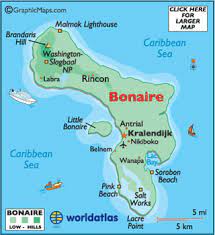
Are you looking to ship vehicles to the Aruba, Bonaire, Curacao or Sint Maarten? Look for companies with regular service to these destinations.

With decades of experience, Bon Trade’s regular service to Aruba, Curacao and Sint Maarten is like clockwork.

tractor shipping by sea

Who will be shipping your vehicles by sea?


Understanding the ‘what,’ ‘when’ and ‘where’ of your vehicle shipping needs makes it easier to choose the right transport company. Outside of the safe transport of your vehicle, they should make the experience of shipping your vehicles by sea enjoyable and stress free.

Bon Trade has been shipping vehicles to the Caribbean for decades. The ABC Islands, (Aruba, Bonaire and Curacao) and Sint Maarten are all regularly serviced by their shipping and delivery routes. They have the benefit of familiarity and the relationships built over the years. This allows them to tackle the details while you sit back and wait for the delivery.

Reach out to Bon Trade Int’l  today to see how they can help you with your maritime vehicle shipping needs.


Domino-Effect-1200x675.jpg

Maritime Shipping Disruptions Have Global Impact


The effects of Maritime Shipping Disruptions to your life isn’t likely something you think about on a daily basis. You have other important and urgent matters to attend to. Your marriage, kids, work, sports and hobbies are all more important than the inner working of the maritime shipping industry.

The interesting part of that equation is how important the maritime shipping industry is to all of those parts of your life. You often don’t realize that until there are shipping disruptions that affect your corner of the world.

The interconnected nature of maritime shipping means that large disruptions can be felt worldwide. Far from their place of origin and reach you like a domino effect.

Consider the next 3 examples:

  1. COVID-19

    COVID19 Caused a major shipping disruption that continues to reverberate


The Covid-19 pandemic and the international shipping disruptions that swept across the world due to the response to the virus.  This is a prime example of how Maritime Shipping Disruptions have global impact.
While COVID itself was not directly related to the maritime shipping industry, the downstream effects had major trade implications.

The precautionary measure put in place by most of the worlds governments nearly ground global trade to a halt. At one point, there were nearly 300,000 seafaring men and women that were stranded out at sea. With no place to accept them, many of them stayed out far beyond the end of their contract obligations.

Organizations like UNCTAD (United Nations Conference on Trade and Development) have called to have seafarers considered essential workers and be exempt from COVID restrictions, with good reason. The importance of the maritime shipping industry, and the goods and materials that are supplied through their efforts, make life better for everyone around the globe.


  1. Suez Canal Blockage

    Ocean Shipping Disruptions
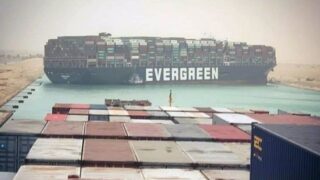
    The Evergreen Line vessel ‘Ever Given’ ran aground and blocked the Suez Canal for an extended period of time.

Prior to the Suez Canal incident in March of 2021, the majority of people worldwide didn’t know about the Suez Canal. Even though it is vitally important to the well-being and prosperity of much of the world, the Suez Canal was a mystery to many. That is until March 2021 when the ‘Ever Given,’ a large container ship, became stuck, blocking all traffic. The Maritime Shipping Disruptions caused by his one major incident is having an ongoing ripple effect.

The Suez Canal handles approximately 12% of all global trade. That is 9 billion dollars worth of goods per day. No industry was left untouched by this accident.

With ships not being able to move along their scheduled routes, shipments were not delivered. This meant that factories couldn’t continue production because of missing parts. Transfers were missed, meaning that those shipments were now stranded.

One ship, blocking one waterway, had a cascading effect that was felt worldwide.


  1. Distribution and Location of Shipping Containers

    Ocean Shipping Disruptions
    Container yards running low or even empty

Logistics can also be a challenge. When you understand the scale and complexity
of global maritime trade, it is amazing that anything reaches anywhere on time.
And yet it does, consistently and predictably. Although, there are exceptions to this.

A combination of circumstances, including the blocking of the Suez Canal, have led to an increased number of sea shipping containers being in the wrong place at the wrong time.
In some parts of the world the production of sea containers is at an all-time high.  But even so there are major shortages plaguing the industry. And this has been causing very costly Maritime Shipping Disruptions and global shipping delays.

In other parts of the world, containers are being left loaded because of the lack of manpower to unload them. And Peter Friedman, executive director at the Agricultural Transport Coalition, states that 22% of sales are lost because they can’t get their goods overseas.

 

The Takeaway

Maritime Shipping Disruptions do happen and the ripple effects do reach other industries worldwide. Understanding these incidents helps shed light on the vital importance of the maritime shipping industry in our everyday life.

The most important factor to note is that they do not happen often.  And shipping goods overseas is still the most cost-effective and safe way to transport goods. Using a reliable and proven company ensures that you prevent all avoidable disruptions in your shipping process.

Bon Trade Intl Corp
Bon Trade Intl. Corp. is your best option to the ABC Islands and Sint Maarten

Bon Trade has decades of experience delivering on the promise to deliver your goods, when you need them and where you need them. Reach out to Bon Trade today and see how your maritime shipping needs can be taken care of.  Especially if you are shipping to the ABC Islands and Sint Maarten.


container-ship-1200x800.jpg

INTERNATIONAL Maritime Shipping SERVICE Is Indispensable to the Modern World

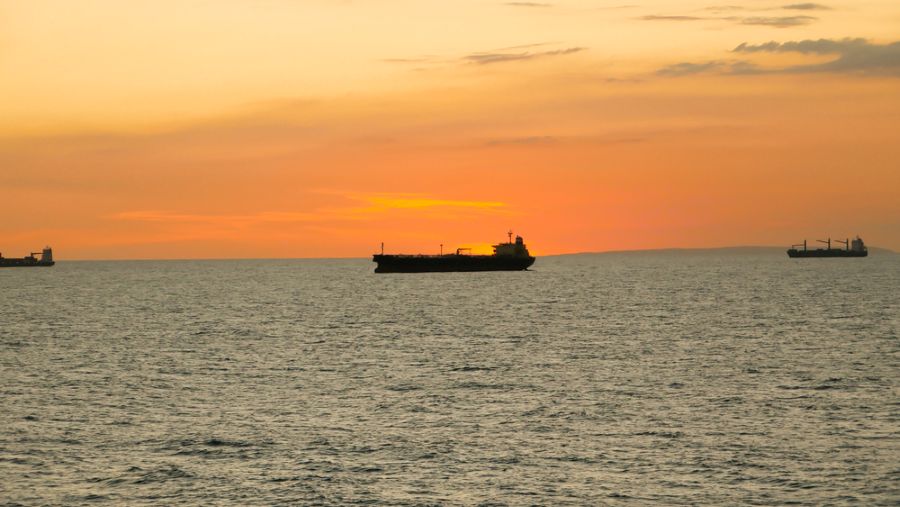
                  Container Ship

The phone in your hand, the clothes on your back and the materials used in the building of your home. What do they all have in common? They likely have all been out to sea during the journey.  From raw material to finished product.  And they arrived at their destination by means of International Maritime Shipping Service.

It is often easy to overlook the critical importance of the international maritime shipping industry. The majority of people don’t ever see, hear, feel or interact with the industry directly. But they are indirectly influenced by it every single day of their lives. It affects what they buy, how they buy it  and the cost of their purchases.  Even their standard of living is directly impacted by this worldwide transport behemoth.

Maritime Shipping to the ABC islands, in the Caribbean, is obviously important to the inhabitants.  It is all around them and they can see the ships arriving almost daily.  However, in places like Ardmore, Oklahoma or Zermatt, Switzerland it may not be as easy to realize how important the cargo ships at sea are to their regular purchases.

Bulk Shipping

Could maritime shipping really be indispensable to the modern world? How much does the maritime shipping industry contribute to the modern way of life? Consider this:


Maritim Shipping is the largest driver of global commerce


According to Statista, 80% of goods are transported by sea. Maritime Shipping Service transports 4 out of every 5 items that are moved worldwide! There is no other industry on the planet that comes close to being as important to the continuing prosperity of all nations.


maritime shipping Helps raise the standard of living in developing countries


                               Tanker

For those living in developing countries the maritime shipping industry often is the only
avenue to get their goods out to the international market. The low overall cost of maritime
shipping has allowed those living in developing countries to trade more cost-effectively,
raising the standard of living of those living and working there.

When their goods get purchased and shipped, they, in turn, redistribute that money locally
through their communities, creating a positive ripple effect. It is indeed true that a rising tide
raises all ships!


it Creates thousands of solid careers in every port city worldwide


This is a short list of the industries that thrive because of the maritime shipping industry.

  • Sailors
  • Port Workers
  • Truck Drivers
  • Logistics Software Development (Like Magaya, the system used at Bon Trade Intl.)
  • Import/Export Companies
  • Shipping Companies (Like Bon Trade Intl.)
  • Support Staff for Ports (Security, Custodial, Food and Beverage etc.)

It also lowers the cost of goods through lower transport costs


Outside of Maritime Shipping Service, the only other option for international trade is using air service. Imagine the cost of any product that needed to have any or all of its components delivered by air! This would make international trade far more expensive and unprofitable for certain industries, leading to less competition and higher prices across many sectors of commerce.

       Shipping by Barge

Rail and truck service are available, and used for international delivery, in some parts of the world. But generally they are mostly used for inland distribution and more expensive per mile.


ocean shipping Allows countries the opportunity to export their goods and import needed goods


For countries needing to offload their excess raw materials, such as grain, oil and lumber Maritime Shipping is the only feasible way. To move such large volumes consistently, countries need a sustainable, efficient and reliable partner for export and import. With it’s long history and it’s record of continuous improvement, maritime shipping is the best choice to move goods worldwide.


maritime shipping is One of the safest ways to transport goods for trade worldwide


Between the years 2008 and 2019, the amount of cargo lost during maritime shipping was only 1/1000th of the total value shipped. The actual number is 0.0006%!

Maritime Shipping Service is overall the safest way to transport and deliver goods world wide  It is the central hub of global trade.

The livelihoods and quality of life of almost every person on the planet is directly or indirectly affected by the Maritime Shipping Industry. That makes maritime shipping indispensable to the modern world.


Bon Trade makes maritime shipping easy to the ABC islands and Sint Maarten. Contact Bon Trade Intl today to discuss your maritime shipping needs.


Bon Trade Intl. Corp. 40th Anniversary
Bon Trade Intl. Corp. was founded in 1984 to be a service company in support of the export trade to the Caribbean from South Florida, The Gateway to the Caribbean, and South America.

Read more >>>

REACH US

305-593-1177