How the Sea Shaped the Caribbean — and the World
The View from the Shore
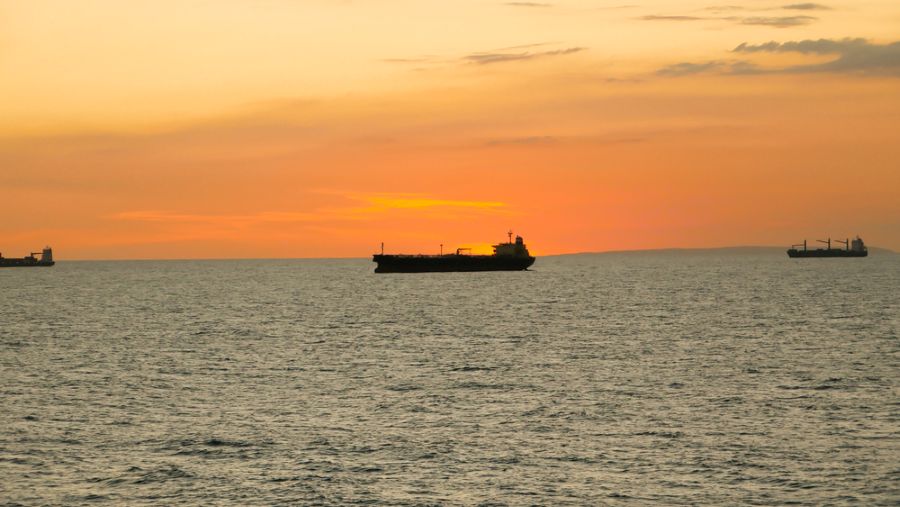
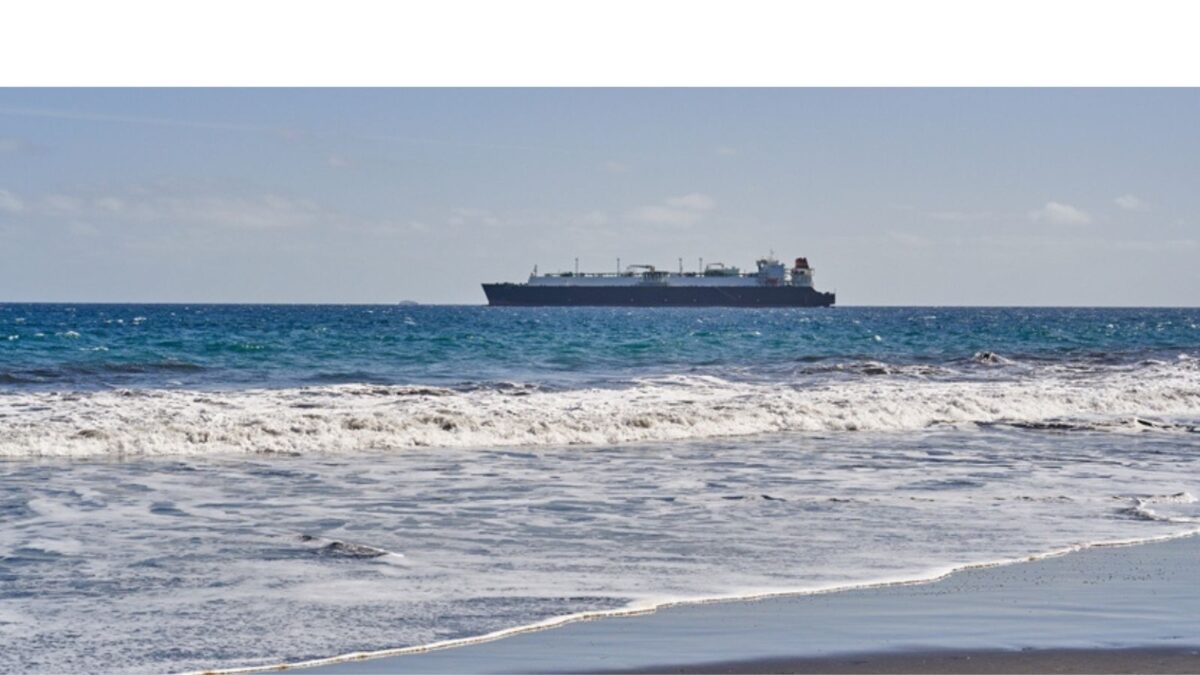
Imagine standing on a Caribbean shore at sunrise. The trade winds are warm on your face. The water shifts from deep navy to turquoise as it reaches the sand. It looks like paradise – and it is. But look closer. Out on the horizon, you may see something that has long been part of this view: a ship.
The Origins of Maritime Shipping
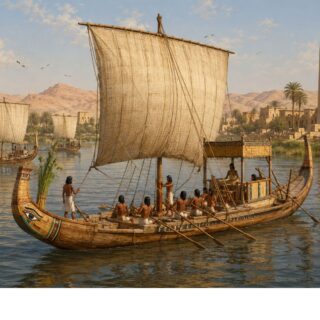
Long before airports, highways, and modern ports, water was humanity’s first great road. Rivers, lakes, and oceans connected places that land could not easily reach. The story of maritime shipping began with simple craft: logs, rafts, dugout canoes, and reed boats used for fishing, travel, and trade.
The earliest known physical boat, the Pesse canoe from the Netherlands, dates to roughly 8000 BCE. By 4000 BCE, Egyptians were using boats and sails on the Nile. They moved grain, stone, people, and ideas along one of the world’s earliest transport corridors. Wind became an engine. Rivers became highways. Trade began to move farther than a person could walk.
How Maritime Trade Shaped Early Civilizations
As civilizations grew, their vessels grew with them. The Phoenicians, Greeks, Romans, Arabs, Vikings, Chinese, and many others expanded trade across seas, rivers, and coastlines. Their ships carried food, metals, textiles, spices, timber, and people. But they also carried something less visible, which is culture, language, technology, ideas, and ambition. Maritime shipping helped turn isolated communities into connected economies. Much like the story told in EPCOT’s Spaceship Earth, the movement of people and goods also became a movement of information. Ships did not just connect ports. They helped connect civilizations.
The Caribbean Before European Contact and as a Maritime Crossroads

The Caribbean entered this wider story of maritime shipping history long before Europeans arrived. Indigenous peoples moved between islands by canoe, trading, fishing, migrating, and building relationships across the sea. For them, the water was not a barrier. It was a connection.
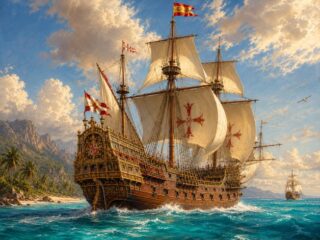
After 1492, the Caribbean became one of the most important maritime crossroads in the world. Spanish galleons, Dutch traders, English and French fleets, privateers, merchant ships, and enslaving vessels all moved through its waters. This was a powerful and often painful period of history. Sugar, tobacco, coffee, cotton, rum, silver, and other cargo flowed across the Atlantic. Caribbean ports such as Havana, San Juan, Kingston, Bridgetown, Willemstad, and Philipsburg grew in importance because ships made them part of a larger commercial world.
Steam Power and the Age of Reliability
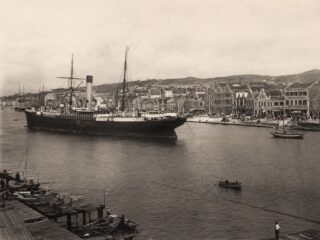
The age of sail depended on wind, currents, and patience. Then steam changed everything. In 1819, the SS Savannah crossed the Atlantic using both sail and steam power. Steamships introduced a new idea: schedules. Ships could move more predictably, regardless of wind. For island economies, that reliability mattered. Freight, mail, passengers, and supplies could move with greater regularity.
The Panama Canal and Caribbean Trade
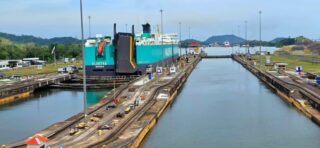
The next major shift came with diesel engines, larger steel ships, and the opening of the Panama Canal in 1914. The canal connected the Atlantic and Pacific oceans through the Caribbean basin. It strengthened the region’s role in global trade. Ships no longer had to sail around South America to move between oceans. Caribbean ports became even more connected to long-distance shipping routes.
The Steel Box That Changed Shipping History
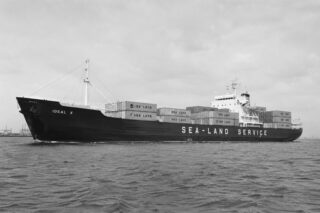
Then came the steel box. In 1956, Malcolm McLean’s converted tanker, the Ideal X, carried 58 containers from Newark, New Jersey, and helped launch a new era in maritime shipping. Containerization changed the industry by making cargo easier to load, seal, stack, transfer, and track. It reduced handling costs, shortened time in port, and made global trade faster, safer, and more reliable.
For the Caribbean, where many islands depend heavily on imported goods, container shipping became part of everyday life. Food, vehicles, machinery, building materials, retail goods, and household items now move through regional ports in a system built around standardized containers. It also helped create an important role for non-vessel operating common carriers, also known as NVOCCs or consolidators. Companies like Bon Trade International use this system to combine cargo from different customers and move it efficiently by sea to Caribbean destinations.
The Future of Maritime Shipping in the Caribbean
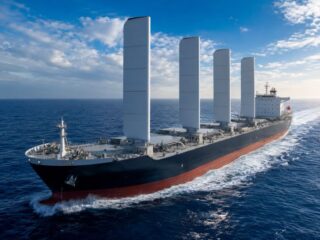
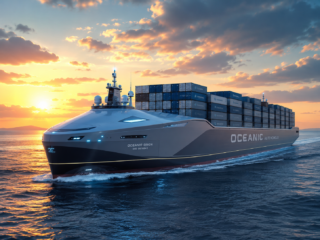
Today, maritime shipping still carries most of the world’s traded goods by volume. But the industry is entering another transition. Cleaner fuels, better routing, larger vessels, port modernization, and green shipping corridors are reshaping the future. Shipping remains essential, but it must also become cleaner and more efficient. That future matters deeply to the Caribbean. These islands have always depended on the sea for connection, commerce, food, tourism, and identity.
A Story Still Being Written
From the first dugout canoes to sail-powered ships, from steam engines to diesel vessels, and from break-bulk cargo to containers, maritime shipping has shaped how the world moves — and how the Caribbean lives. For generations, the sea has connected islands, carried trade, supported families, and opened doors to opportunity. Bon Trade International is proud to be part of that continuing story, serving the Caribbean with reliable transportation solutions and a constant focus on improving the way cargo moves.
Stand on that shore once more. The water is still blue. The trade winds are still moving. And somewhere on the horizon, there is still a ship — carrying goods, connecting people, and adding another chapter to a story thousands of years old, and still being written!