shutterstock_2345837799.jpg
Why does the maritime shipping industry need to reduce emissions?

In 2021, about 90% of global trade goods were transported by sea, according to the International Maritime Organization (IMO). It translates to around 11 billion tons of freight. That is an impressive amount of cargo.  However, the environmental consequences are that the shipping industry accounts for almost 3% of CO2 emissions worldwide.  It also produces other pollutants like sulfur oxides, nitrogen oxides and volatile compounds which cause environmental damage. Without intervention, these emissions could increase by as much as 50% by the year 2050.

.

In response to the need to reduce these numbers, Industry leaders are exploring alternative methods to power vessels. These range from adopting cleaner technologies to optimizing operations and aligning with international regulations aimed at creating a greener future.

With global warming being such as critical issue, Bon Trade is pleased to see the maritime industry’s progress in reducing emissions through innovative technologies.


Adoption of Alternative Fuels

The good news is that shipping companies are now exploring ways to replace aging fleets. They are shifting away from traditional fossil fuels by introducing alternatives such as liquefied natural gas (LNG), biofuels, and hydrogen, while integrating wind power.


One of the most promising developments is the use of ammonia (NH3), as a fuel of the future. It produces no carbon emissions. However, it’s scalability and infrastructure costs need to be addressed.


Electrification and Renewable Energy

Electric ships are on the horizon, particularly for short-distance routes. These battery-powered vessels can reduce CO2 emissions significantly and use renewable energy sources like wind and solar power to recharge the batteries.

It is good to see that Drift Energy, a UK-based startup company, is developing a fleet of sailing ships that will produce green hydrogen through renewable energy. The ships will harness wind energy using underwater turbines to power onboard electrolyzers, generating and storing hydrogen. Construction of the first vessel is expected to begin in 2025.


Efficiency in Ship Design and operation

Improving the energy efficiency of ships is a key focus for reducing carbon emissions. The IMO’s Energy Efficiency Design Index (EEDI) sets standards for new ships to be built with energy-saving technologies.

One example of a forward-thinking company is Höegh, which is aiming to cut carbon emissions, per vehicle, by up to 58% as part of its 2040 net-zero goal. Their latest vessel design, the Hoegh Aurora, is the largest car carrier. It has innovative features designed for sustainability and a capacity of 9100 units. This vessel is equipped with LNG, biofuel, and lower-sulfur oil engines, and ready to transition to ammonia by 2027.


The push to decarbonize is heavily influenced by international regulations. The IMO has set a goal to reduce greenhouse gas emissions by at least 50% by 2050 compared to 2008 levels. Standards like the Energy Efficiency Design Index (EEDI) and Ship Energy Efficiency Management Plan (SEEMP) are helping drive change.

Regulatory Push for Change


The European Union is also playing a role with its upcoming Emissions Trading System from 2024 that includes shipping.

Operational efficiency is equally important. By optimizing routes, reducing speed, and utilizing digital tools like predictive analytics and artificial intelligence, shipping companies can significantly reduce fuel consumption.

Conclusion

Bon Trade Intl. Corp. is excited that the maritime industry is making significant strides in reducing carbon emissions through innovation, cleaner fuels, efficiency measures, and regulatory compliance.

Continued collaboration between industry stakeholders, governments, and technology developers will be key to achieving emission reduction goals and supporting greener logistics in the future, and Bon Trade will be supporting them all the way.


USLabor-DayB.jpg

Understanding the Difference in Labor Day Celebrations:

Why We Are Closed for Business Today, Sept 2nd, 2024?

As a shipping business based in the United States, we are committed to providing exceptional service to our valued customers in the Caribbean and beyond. However, today we are closed in observance of Labor Day, a significant holiday in the U.S, that celebrates the contributions of workers to the nation’s prosperity.

I am sure you know Labor Day being observed on May 1st, known as International Workers’ Day or May Day. It is celebrated by many countries around the world. This difference in dates often raises questions. So let’s take a closer look at the history and reasons behind these distinct celebrations.


The Origins of Labor Day in the United States

In the United States, Labor Day is celebrated on the first Monday of September each year. This holiday originated in the late 19th century.  It was during a time when the labor movement was gaining momentum, and workers were fighting for fair wages, reasonable working hours, and safer working conditions. The first Labor Day parade was held on September 5, 1882, in New York City. It was organized by the Central Labor Union. The event was a significant success, leading other labor organizations to adopt the idea of a “workingmen’s holiday.”

By 1894, Labor Day had become a national holiday, signed into law by President Grover Cleveland. The choice of September was deliberate. It distanced the U.S. holiday from International Workers’ Day on May 1, which had connections to more radical labor movements. It also considers the Haymarket Affair in Chicago in 1886, a violent confrontation between labor protesters and police. The U.S. government wanted to avoid further association with these events. So it opted for a September celebration to honor American workers in a manner that encouraged national unity and economic progress.


May 1st: International Workers’ Day

In contrast, the International Workers’ Day is celebrated on May 1st and has roots in the global labor movement. It is widely recognized as a day to honor the struggles and achievements of workers worldwide. This date was chosen to commemorate the Haymarket Affair in Chicago. It is a pivotal event in labor history that underscored the fight for the eight-hour workday. Today, May Day is observed in many countries with parades, protests, and various demonstrations advocating for workers’ rights and social justice.


Why We Are Closed Today

Today, as we celebrate Labor Day in the United States, our offices are closed, and our team is taking a well-deserved break to honor this tradition. We understand that many of our customers in the Caribbean and other regions may not observe this holiday on the same date. However, we believe it is essential to recognize and appreciate the hard work and dedication of our employees, who are the backbone of our company.

While we are closed today, rest assured that we will resume our operations promptly and continue to provide the reliable shipping services you count on. We thank you for your understanding and patience, and we wish you a productive and pleasant day.

In observance of Labor Day, let’s take a moment to reflect on the contributions of workers everywhere, regardless of when the holiday is celebrated. It’s a day to appreciate the value of labor and the progress that has been made toward fair and equitable working conditions for all.

Happy Labor Day! We look forward to serving you again tomorrow.


4thofJuly.jpg
The birth of a Nation

Independence Day, commonly known as the Fourth of July, is a cherished national holiday in the United States, commemorating the adoption of the Declaration of Independence on July 4, 1776. This pivotal moment in history marked the birth of a new nation, free from British rule, and has since been celebrated with fervor and patriotism across the country. The day is not only a celebration of historical significance but also a reflection of American values and identity.

The journey to independence was fraught with challenges and sacrifices. The American colonies, frustrated by oppressive British policies and taxation without representation, sought to assert their right to self-governance. Tensions culminated in the outbreak of the American Revolutionary War in 1775. Amidst the turmoil, the Continental Congress convened, and on July 2, 1776, they voted in favor of independence. Two days later, the Declaration of Independence, primarily authored by Thomas Jefferson, was formally adopted, articulating the colonies’ grievances against King George III and their unalienable rights to life, liberty, and the pursuit of happiness.

A symbol of National Pride

The Fourth of July quickly became a symbol of national pride and unity. Early celebrations included public readings of the Declaration, parades, and festivities. Over the years, the holiday evolved, incorporating fireworks, concerts, barbecues, and family gatherings. The tradition of fireworks symbolizes the “rockets’ red glare” and “bombs bursting in air” referenced in “The Star-Spangled Banner,” evoking the struggle for independence and the enduring spirit of freedom.

Independence Day is also a time to reflect on the nation’s founding principles and the ongoing pursuit of a more perfect union. It serves as a reminder of the democratic ideals enshrined in the Declaration and the Constitution, inspiring civic engagement and a commitment to protecting individual freedoms. The holiday underscores the importance of unity in diversity, as people from various backgrounds come together to celebrate their shared identity as Americans.

Patriotism and Diverse Traditions

Moreover, the Fourth of July has grown to represent not just political independence but also cultural independence. It is a celebration of American culture, from the diverse culinary traditions enjoyed at barbecues to the vibrant displays of patriotism in parades and festivals. The day fosters a sense of community and belonging, as people gather with family, friends, and neighbors to honor their country’s heritage.


An ongoing journey toward Liberty and Justice for All

In essence, Independence Day is more than just a historical milestone; it is a living testament to the resilience, courage, and spirit of the American people. It is a celebration of freedom, a tribute to the past, and a pledge to uphold the values that define the United States. As fireworks light up the sky each year, they serve as a powerful reminder of the enduring legacy of July 4, 1776, and the ongoing journey toward liberty and justice for all.


QueenEmmaB.jpg
The historic port of Willemstad, the capital of Curaçao, stands out like a gem in the colorful crown of the Caribbean.
Punda, Otrobanda and Sint Ana Bay


It is no surprise that its vibrant inner city and harbor were designated a UNESCO World Heritage site in 1997 for its cultural heritage and architectural beauty.

Standing picture perfect on the southern side of the island, Willemstad has an exceptional blend of rich Dutch colonial architecture mixed with lustrous Caribbean influences. This is a testament to its rich tapestry and highlights its unique urban landscape.

Punda’s Famous Facade and seawall


The cobblestoned city is divided into the districts of Scharloo, Punda, Otrobanda and Pietermaai which span 190 hectares and includes the harbor of Sint Anna Bay.


It is easy to understand why the Dutch established a trading settlement in Curaçao’s natural deep-water harbor in 1634 and Willemstad has developed over the centuries on this strategic location into a cosmopolitan city, one which you must visit at least once in your lifetime.


At Bon Trade, we take pride and pleasure in regularly shipping cargo from the US to this historic trading post that has evolved into a bustling, modern hub of activity.

Why was Willemstad chosen as a UNESCO World Heritage Site?

Willemstad deserves its status as a Caribbean capital city listed as a UNESCO World Heritage site. It not only has picturesque qualities. It is also of outstanding universal value.

Original European architecture from the 1600’s

Over 700 of Willemstad’s buildings are protected monuments. They vividly reflect the influences from the Dutch, African, Portuguese and Spanish over several centuries.


The city has many historic landmarks. Included in the list is Fort Amsterdam, built in 1634.  Another famous landmark is the Mikvé Israel-Emanuel Synagogue, which is the oldest synagogue in the western hemisphere.  There are also the Museum Kurá Hulanda and the Curaçao Museum.  These historical buildings all tell the tale of a diverse, multifaceted history.


What makes Willemstad Special:
The iconic Queen Emma floating bridge that still connects the two halves of Willemstad


Willemstad is a city of two halves. The iconic Queen Emma Bridge links the oldest part of the city, Punda, with Otrobanda. This further symbolizes the unity and connectivity of this community.


UNESCO selected Willemstad as a World Heritage Site because of the town’s planning and architectural qualities. Willemstad is also a prime example of how colonies developed organically in the Caribbean by combining European traditions with influences from the Americas and Africa. This happened over 3 centuries.

The city’s music scene, carnival, buzzing businesses and local festivals highlight the dynamic spirit of Curaçaoan people.

This globally recognized UNESCO status means that Willemstad and Curaçao will be preserved for future generations while tourists and traders continue to flock to celebrate its heritage, cultural resilience and architecture.

Why not be one of them and discover the rich historical details that define Curacao? You will not be disappointed.


Click for more information on Curacao

InternationalWomensDay.png
In celebration of Women’s History Month and International Women’s Day, Bon Trade shines a spotlight on the special contributions made by women of the Netherlands Antilles to events in history and contemporary society.

Women from the Caribbean Islands of Aruba, Curaçao and Sint Maarten have been trailblazers and inspiring many.

The three people we wish to mention in this article, for International Women’s Day, are remarkable women, whose extraordinary achievements will energise and encourage generations to come.


Curaçao-born swimmer Enith Sijtje Maria Brigitha (born 1955) who first learned to swim in the Caribbean Sea, was twice named “Dutch Sportswoman of the Year” in 1973 and 1974.
Enith Brigitha
Enith Sijtje Maria Brigitha

Her name is etched in history as the first black champion swimmer to win a medal in the Olympics.

Enith moved to Holland in 1970 and represented the Netherlands in the 1972 Munich Summer Olympics and won two bronze medals at the 1976 Montreal, and Quebec Summer Olympics in the women’s 100m and 200m freestyle.

She also gained eight other medals in 100 meters and 200 meters backstroke and freestyle events in 1973 and 1975 FINA World Championships and at the 1974 European Championships.

Enith’s accomplishments stand out as she competed against women from the German Democratic Republic who benefitted from illegal doping practices, so to many, she is considered a gold medal winner.

After retiring from swimming she moved back to Curaçao and opened her own swimming school.


Also noteworthy for her achievements is mezzo-soprano Tania Kross (born 1976) who made significant strides in music.


Tania Kross
Tania Kross

The Curaçao-born singer was classically trained at the Utrechts Conservatorium and the International Opera Studio in Amsterdam and has performed in renowned operas globally.

.Tania played a pivotal role in bringing Papiamento culture to the forefront when she encouraged Carel De Haseth to adapt his novel “Katibu di Shon” into the first opera in Papiamento, celebrating the cultural heritage of the Dutch Caribbean.

She achieved global recognition representing The Netherlands as a finalist in the 2003 BBC Cardiff Singer of the World competition and for her portrayal of Carmen at Glyndebourne in 2008.

Modern music-lovers might remember Tania best for her performance in the Dutch 2019 edition of “The Masked Singer,” which she won as a robot.


Political Pioneer Angela Altagracia “Tata” de Lannoy-Willems (born 1913, died 1983) will be remembered for being the first female member of the Estates of the Netherlands Antilles in 1949.
Angela Altagracia "Tata" de Lannoy-WIllems
Angela de Lannoy-WIllems


Despite failing to be elected initially, Angela successfully secured her position and contributed significantly to the political landscape, holding office until 1954.

In 1951 she was also appointed to the Council of Ministers and was also elected to Curaçao Island Council.

She spearheaded the way for future generations of female leaders in the region.


These women’s exceptional feats not only celebrate their personal successes.  They have also managed to leave behind a lasting legacy that will shape the future by creating opportunities for the women for generations to come.

We celebrate their lives and their accomplishments at Bon Trade.  And we hope this article brings their enduring accomplishments to light for people around the world and even those living in the Netherland Antilles who may be discovering them for the first time.


Carnival.jpg

Nothing captures the exuberance of the Caribbean better than carnival season.


Both locals and tourists are captivated by these vibrant festivals that usher in a kaleidoscopic tapestry of colourful sights and sounds across the islands.

For those of us at Bon Trade and our esteemed clients, who use our NVOCC services, we delight in the hues, rhythms and jubilations of these cultural celebrations in Aruba, Bonaire, Curaçao and Sint Maarten.


Every island has its own flavor


Curacao Carnival


Each island offers its own unique carnival experience, infused with local traditions, rituals and global appeal. And Carnival 2024 will be no different.


The atmosphere in the streets vibrate with the sound of the Tumba and the Road March of the year.  The music is played by steel drum and typical Caribbean groups.  In some islands it is the calypso, and soca music.  Regardless of the island you will see flamboyant processions of dancers in elaborate costumes wind their way through the streets.

Aruba Carnival

The celebrations usually start in January and climax in February

During carnival season many resorts in Aruba, Bonaire, Curaçao and Sint Maarten are booked to capacity with holiday makers. After all, most of us love an opportunity to relax, dress up and dance the hours away.

A glimpse into history

The celebrations are often considered an opportunity for islanders to let their hair down, as the carnivals have their roots steeped in a fusion of colonialism, Catholic traditions and African heritage.

Carnival 2024 will attract visitors from across the globe to participate in these cultural celebration of music and dance.

Sint Maarten

Boom time for business

Carnival time offers island businesses the perfect opportunity to promote their businesses. Especially for those who cater to the festivities providing food, drink, costumes, and transport, helping to boost  the local economy.

Our Caribbean container and freight forwarding services are often booked up well in advance of Carnival. And we also have the privilege of transporting some of the materials and vehicles needed to put on these extravaganzas for local tradesmen.


Bonaire Carnival

Advice for overseas visitors

 For travellers seeking to immerse themselves in the Caribbean culture, there is no better time to visit the islands than during carnival. However, it is a good idea to book your transport and accommodation in advance to guarantee your place at carnival events. We would advise you to check local websites for full details and exact dates.

After all, you don’t want to miss out on the beauty and pageantry of these festivities, along with the sunset cruises, cuisine and rum cocktails.


Why Carnival matters


For clients of Bon Trade many of whom are global citizens with a penchant for the Caribbean’s rich culture, the Aruba, Bonaire, Curacao and Sint Maarten Carnivals offers more than entertainment. They are celebrations of heritage, a showcase of cultural diversity, that encapsulate the spirit of the islands’ rich history and are a testament to the resilience and creativity of the islanders, something we at Bon Trade cherish and encourage everyone to explore.


vecteezy_stock-crisis-red-price-drop-arrow-down-chart-fall_11558866-pdf-1200x754.jpg

Low Growth Trajectory expected in Latin America and the Caribbean in 2024

The United Nations regional body is anticipating a slowing down in regional growth in Latin America and the Caribbean in 2024.  This is according to a recent press release from ECLAC.

The Economic Commission for Latin America and the Caribbean (ECLAC) said its last report for 2023 showed that the regions’ projected growth for the year was 2.2% and it is likely to slow to 1.9% in 2024. This shows a deceleration in levels of growth compared with 2022.

In 2022, the Caribbean (excluding Guyana) grew by 6.4% economically, and it is expected to slow its trajectory to 3.4% in 2023, and to 2.6% in 2024.

The knock on effects

This indicates that there could be a deceleration in job creation and other challenges like informality gender gaps continuing.

“Latin America and the Caribbean’s low growth may be aggravated by the negative effects of an intensification of climate shocks, if the investments that countries need in climate change adaptation and mitigation are not made,” said ECLAC’s Executive Secretary, José Manuel Salazar-Xirinachs.

Salazar-Xirinachs stressed that “there must be a considerable increase in concessional financing (offering more generous terms than conventional financing). Doing so will help encourage investors to stick with investment plans over time. These efforts must be accompanied by domestic macroeconomic policies that favor resource mobilization. This would include government actions such as boosting public projects to promote investment and  economic growth.

The report stated that “given the challenges of boosting growth and tackling climate change, it is essential to enhance public and private investment. Public investment in the region is low in comparison with advanced economies, and even other developing regions.

“This low level of investment has translated into a stock of public capital (infrastructure) that is insufficient.  More spending will be necessary to boost economic growth and development.” So, increased government investment in infrastructure projects would mitigate the affects of the slow down by  hiring more people and injecting cash into the economy.

The report advocates for a multifaceted approach encompassing productive development, macroeconomic strategies, and international reforms to create a more sustainable and inclusive economic future for Latin America and the Caribbean.

Additional reports

A report by FichtSolutions.com supports the report by ECLAC and adds that the slow down in 2024 comes after several years of growth after the the end of the COVID lockdowns.  The report also mentions that the slowdown will partly be due to a forecasted recession in the U.S. It is expected to stat in the second quarter of 2024, directly affecting tourism.

Past 2024, FichtSolutons.com expects a rebound fueled by a tourism recovery that is expected to last into 2028.

Conclusion

Stated succinctly, the ECLAC report recommends four key measures to be addressed in 2024: 1. fiscal space enhancement, 2. management of financial and foreign-exchange risks, 3. mobilization of concessional financing and development banking, and 4. the establishment of debt relief mechanisms linked to climate targets.

The potential impact on the ABC Islands  
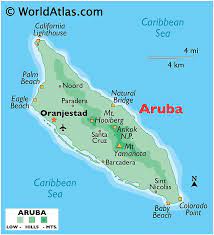
The slowing down of the economies in the region could have a negative effect on Aruba, Bonaire and Curaçao.  These islands rely heavily on tourism and a decline in the number of visitors will impact the hospitality and service sectors.

Economic decline could also lead to a reduction in demand for the goods that the ABC islands export, and may include commodities and certain manufactured goods.

It will be important to keep an eye on foreign investment on the islands. A slow down in foreign investment projects could translate into a short term decrease in the creation of new jobs and stagnate salaries.

ABC islanders’ purchasing power could be affected if the economy declines. So, measures to mitigate this result should be of great importance to the local governments.

The islands’ governments may need to re-evaluate their spending priorities. This could have social repercussions on poverty levels, social inequality, and the provision of social services.

ECLAC indicated that there needs to be changes to the international financial and tax structure to help the regions’ countries achieve the Sustainable Development Goals and attract resources.

All three islands have benefitted from a boost in tourism in 2022 and 2023.  So, It will be important for the governments to take action to support economic growth and stability in 2024.

Being aware of this potential slow down, and preparing for it is important.  By doing so, the region will get through 2024 with minimal fallout and on to the upswing expected in 2025.



Vehicle-shipping-1200x1806.jpg

Shipping Vehicles by Sea Internationally: What you need to know?

How do you make sure that you are choosing the best provider to ship your car by sea? Knowing the ‘what,’when,’ and ‘where’ will help you choose the right ‘who’ to ship your vehicles with.  Having the right professional assistance with Shipping vehicles by sea can save time and money!


Your “International Vehicle Shipping by Sea” Knowledge Checklist

Shipping motorcycles by sea internationally What vehicle are you shipping?

This is the first and most important question when it comes to shipping vehicles by sea. A motorbike and a motor home, while both being vehicles, need different arrangements! It is important for the shipper to know exactly what type of vehicle you are shipping.

Shipping vehicles by sea can be tricky and vary considerably from one vehicle category to the next.

Is it a new vehicle or is it used?

Is it a salvage vehicle and what documentation does it have? Can it be exported as is?
Some shipping companies will deny transport for certain types of vehicles. Yet, companies like Bon Trade don’t discriminate. They will ship new, used, and salvage vehicles to your desired destination.

Motorhome shipping by sea

When are you planning on shipping it?

What time of the year do you plan on shipping your vehicles by sea?
This is a key piece of information that influences the shipping process. The cost of fuel, the weather and business volume all shift throughout the year. This can have a direct impact on the requirements for the shipping of your vehicle.

Will your vehicle be loose or in a container?
Not all carriers allow you to ship vehicles loose.  They may only accept container loaded vehicles . So, you may want to consider using a shipping company that gives you the flexibility of both options. It can make a difference in the cost of shipping.

Salvage vehicle shipping by sea
Salvage vehicle tilt loaded in a container
Where are you shipping your vehicles?

There are many shipping companies that ship vehicles by sea, but do they go where you need them to?
Are you sending them to the Caribbean, Asia or somewhere in between? Sometimes, it can be a challenge to get your cargo to the right port. Using a shipper that specializes in delivering to your specific destination is the best way to get expedient and economical service.

Are you looking to ship vehicles to the Aruba, Bonaire, Curacao or Sint Maarten? Look for companies with regular service to these destinations.

With decades of experience, Bon Trade’s regular service to Aruba, Curacao and Sint Maarten is like clockwork.

tractor shipping by sea

Who will be shipping your vehicles by sea?


Understanding the ‘what,’ ‘when’ and ‘where’ of your vehicle shipping needs makes it easier to choose the right transport company. Outside of the safe transport of your vehicle, they should make the experience of shipping your vehicles by sea enjoyable and stress free.

Bon Trade has been shipping vehicles to the Caribbean for decades. The ABC Islands, (Aruba, Bonaire and Curacao) and Sint Maarten are all regularly serviced by their shipping and delivery routes. They have the benefit of familiarity and the relationships built over the years. This allows them to tackle the details while you sit back and wait for the delivery.

Reach out to Bon Trade Int’l  today to see how they can help you with your maritime vehicle shipping needs.


Domino-Effect-1200x675.jpg

Maritime Shipping Disruptions Have Global Impact


The effects of Maritime Shipping Disruptions to your life isn’t likely something you think about on a daily basis. You have other important and urgent matters to attend to. Your marriage, kids, work, sports and hobbies are all more important than the inner working of the maritime shipping industry.

The interesting part of that equation is how important the maritime shipping industry is to all of those parts of your life. You often don’t realize that until there are shipping disruptions that affect your corner of the world.

The interconnected nature of maritime shipping means that large disruptions can be felt worldwide. Far from their place of origin and reach you like a domino effect.

Consider the next 3 examples:

  1. COVID-19

    COVID19 Caused a major shipping disruption that continues to reverberate


The Covid-19 pandemic and the international shipping disruptions that swept across the world due to the response to the virus.  This is a prime example of how Maritime Shipping Disruptions have global impact.
While COVID itself was not directly related to the maritime shipping industry, the downstream effects had major trade implications.

The precautionary measure put in place by most of the worlds governments nearly ground global trade to a halt. At one point, there were nearly 300,000 seafaring men and women that were stranded out at sea. With no place to accept them, many of them stayed out far beyond the end of their contract obligations.

Organizations like UNCTAD (United Nations Conference on Trade and Development) have called to have seafarers considered essential workers and be exempt from COVID restrictions, with good reason. The importance of the maritime shipping industry, and the goods and materials that are supplied through their efforts, make life better for everyone around the globe.


  1. Suez Canal Blockage

    Ocean Shipping Disruptions
    The Evergreen Line vessel ‘Ever Given’ ran aground and blocked the Suez Canal for an extended period of time.

Prior to the Suez Canal incident in March of 2021, the majority of people worldwide didn’t know about the Suez Canal. Even though it is vitally important to the well-being and prosperity of much of the world, the Suez Canal was a mystery to many. That is until March 2021 when the ‘Ever Given,’ a large container ship, became stuck, blocking all traffic. The Maritime Shipping Disruptions caused by his one major incident is having an ongoing ripple effect.

The Suez Canal handles approximately 12% of all global trade. That is 9 billion dollars worth of goods per day. No industry was left untouched by this accident.

With ships not being able to move along their scheduled routes, shipments were not delivered. This meant that factories couldn’t continue production because of missing parts. Transfers were missed, meaning that those shipments were now stranded.

One ship, blocking one waterway, had a cascading effect that was felt worldwide.


  1. Distribution and Location of Shipping Containers

    Ocean Shipping Disruptions
    Container yards running low or even empty

Logistics can also be a challenge. When you understand the scale and complexity
of global maritime trade, it is amazing that anything reaches anywhere on time.
And yet it does, consistently and predictably. Although, there are exceptions to this.

A combination of circumstances, including the blocking of the Suez Canal, have led to an increased number of sea shipping containers being in the wrong place at the wrong time.
In some parts of the world the production of sea containers is at an all-time high.  But even so there are major shortages plaguing the industry. And this has been causing very costly Maritime Shipping Disruptions and global shipping delays.

In other parts of the world, containers are being left loaded because of the lack of manpower to unload them. And Peter Friedman, executive director at the Agricultural Transport Coalition, states that 22% of sales are lost because they can’t get their goods overseas.


The Takeaway

Maritime Shipping Disruptions do happen and the ripple effects do reach other industries worldwide. Understanding these incidents helps shed light on the vital importance of the maritime shipping industry in our everyday life.

The most important factor to note is that they do not happen often.  And shipping goods overseas is still the most cost-effective and safe way to transport goods. Using a reliable and proven company ensures that you prevent all avoidable disruptions in your shipping process.

Bon Trade Intl Corp
Bon Trade Intl. Corp. is your best option to the ABC Islands and Sint Maarten

Bon Trade has decades of experience delivering on the promise to deliver your goods, when you need them and where you need them. Reach out to Bon Trade today and see how your maritime shipping needs can be taken care of.  Especially if you are shipping to the ABC Islands and Sint Maarten.


container-ship-1200x800.jpg

INTERNATIONAL Maritime Shipping SERVICE Is Indispensable to the Modern World

                  Container Ship

The phone in your hand, the clothes on your back and the materials used in the building of your home. What do they all have in common? They likely have all been out to sea during the journey.  From raw material to finished product.  And they arrived at their destination by means of International Maritime Shipping Service.

It is often easy to overlook the critical importance of the international maritime shipping industry. The majority of people don’t ever see, hear, feel or interact with the industry directly. But they are indirectly influenced by it every single day of their lives. It affects what they buy, how they buy it  and the cost of their purchases.  Even their standard of living is directly impacted by this worldwide transport behemoth.

Maritime Shipping to the ABC islands, in the Caribbean, is obviously important to the inhabitants.  It is all around them and they can see the ships arriving almost daily.  However, in places like Ardmore, Oklahoma or Zermatt, Switzerland it may not be as easy to realize how important the cargo ships at sea are to their regular purchases.

Bulk Shipping

Could maritime shipping really be indispensable to the modern world? How much does the maritime shipping industry contribute to the modern way of life? Consider this:


Maritim Shipping is the largest driver of global commerce


According to Statista, 80% of goods are transported by sea. Maritime Shipping Service transports 4 out of every 5 items that are moved worldwide! There is no other industry on the planet that comes close to being as important to the continuing prosperity of all nations.


maritime shipping Helps raise the standard of living in developing countries


                               Tanker

For those living in developing countries the maritime shipping industry often is the only
avenue to get their goods out to the international market. The low overall cost of maritime
shipping has allowed those living in developing countries to trade more cost-effectively,
raising the standard of living of those living and working there.

When their goods get purchased and shipped, they, in turn, redistribute that money locally
through their communities, creating a positive ripple effect. It is indeed true that a rising tide
raises all ships!


it Creates thousands of solid careers in every port city worldwide


This is a short list of the industries that thrive because of the maritime shipping industry.

  • Sailors
  • Port Workers
  • Truck Drivers
  • Logistics Software Development (Like Magaya, the system used at Bon Trade Intl.)
  • Import/Export Companies
  • Shipping Companies (Like Bon Trade Intl.)
  • Support Staff for Ports (Security, Custodial, Food and Beverage etc.)

It also lowers the cost of goods through lower transport costs


Outside of Maritime Shipping Service, the only other option for international trade is using air service. Imagine the cost of any product that needed to have any or all of its components delivered by air! This would make international trade far more expensive and unprofitable for certain industries, leading to less competition and higher prices across many sectors of commerce.

       Shipping by Barge

Rail and truck service are available, and used for international delivery, in some parts of the world. But generally they are mostly used for inland distribution and more expensive per mile.


ocean shipping Allows countries the opportunity to export their goods and import needed goods


For countries needing to offload their excess raw materials, such as grain, oil and lumber Maritime Shipping is the only feasible way. To move such large volumes consistently, countries need a sustainable, efficient and reliable partner for export and import. With it’s long history and it’s record of continuous improvement, maritime shipping is the best choice to move goods worldwide.


maritime shipping is One of the safest ways to transport goods for trade worldwide


Between the years 2008 and 2019, the amount of cargo lost during maritime shipping was only 1/1000th of the total value shipped. The actual number is 0.0006%!

Maritime Shipping Service is overall the safest way to transport and deliver goods world wide  It is the central hub of global trade.

The livelihoods and quality of life of almost every person on the planet is directly or indirectly affected by the Maritime Shipping Industry. That makes maritime shipping indispensable to the modern world.


Bon Trade makes maritime shipping easy to the ABC islands and Sint Maarten. Contact Bon Trade Intl today to discuss your maritime shipping needs.


Bon Trade Intl. Corp. 40th Anniversary
Bon Trade Intl. Corp. was founded in 1984 to be a service company in support of the export trade to the Caribbean from South Florida, The Gateway to the Caribbean, and South America.

Read more >>>

REACH US

305-593-1177