
Labor Day: Why America Celebrates Workers in September
September 7, 2026 Uncategorized
Labor Day also raises an interesting question. Why does the United States celebrate Labor Day in September, while most of the world honors workers on May 1?
To answer that, we have to go back to a time when work in America looked nothing like it does today.
A Nation Built on Overtime
In the late 1800s, the United States was rapidly becoming an industrial powerhouse. Railroads stretched across the continent. Factories multiplied. Cities swelled with new arrivals. But that growth came at a cost. It was built on the backs of people working long hours — often six or seven days a week, twelve hours a day — under conditions we’d find almost unimaginable now.
Workers began organizing. They wanted shorter hours, fairer wages, and safer workplaces. In New York City, that organizing turned into a parade — and eventually, into Labor Day itself.
A Parade Becomes a Tradition
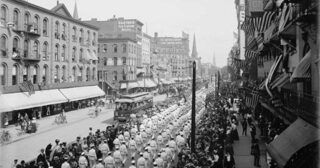
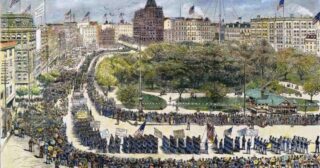
On September 5, 1882, roughly 10,000 workers marched through Manhattan. It’s now recognized as the country’s first Labor Day parade. Workers gave up a day’s pay just to be there. Afterward, they gathered with their families for a picnic, music, and speeches. It was part protest, part celebration.
The idea caught on fast. Oregon became the first state to officially recognize Labor Day in 1887. Several other states followed within the year. By 1894, more than two dozen states had adopted a Labor Day holiday of their own.
But it took a national crisis to make Labor Day official at the federal level.
That spring, workers at the Pullman Palace Car Company near Chicago went on strike over wage cuts. The strike spread fast. It grew into a nationwide railroad boycott that paralyzed rail traffic across the country. President Grover Cleveland sent federal troops to break it. The strike ended in violence, and several workers were killed.
Just days later, Cleveland signed the law making the first Monday in September a national Labor Day holiday. It looked like a gesture of reconciliation. The man who had used the military against striking workers was now, on paper, honoring them.
Why Not May 1?
Around most of the world, workers are honored on May 1 — International Workers’ Day, also known as May Day. That tradition, interestingly, has American roots too.
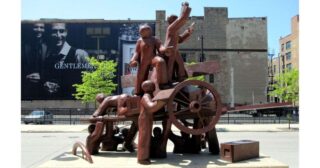
In May 1886, workers across the U.S. were campaigning for the eight-hour workday. In Chicago, a rally tied to that movement turned deadly on May 4. Someone threw a bomb during a demonstration at Haymarket Square. Several police officers and civilians were killed in the chaos that followed.
Haymarket became an international symbol of the labor struggle. By 1890, May 1 had been adopted as International Workers’ Day in countries around the world.
The United States took a different path. The September holiday was already gaining ground domestically. It also carried none of the political radicalism that had become associated with May Day abroad. So while much of the world marked Haymarket’s legacy each spring, America settled into its own Labor Day tradition each fall.
From Factory Marches to Backyard Barbecues
Labor Day looks very different today than it did in 1882. We associate it with beaches, football, back-to-school sales, and one last cookout before the weather turns. For many, it’s simply the unofficial end of summer.

That’s not as far from the original vision as it might seem. Even the first proposal for Labor Day called for more than just a parade. It imagined a festival where workers and their families could actually enjoy a day together.
That’s worth remembering. Nearly everything around us — our homes, roads, ports, businesses, and the systems that keep a country running — exists because someone designed it, built it, transported it, repaired it, or kept it going.
So this Labor Day, as you enjoy the long weekend, take a moment to remember what the holiday was actually created to celebrate. It’s not just the end of summer. It’s the people whose work built America, and the fight it took to give them a day off to enjoy it.