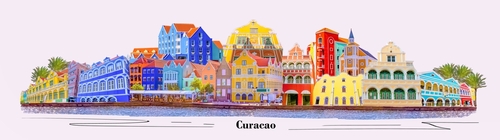
Featured-image.jpg

The Soul of Caribbean Carnival
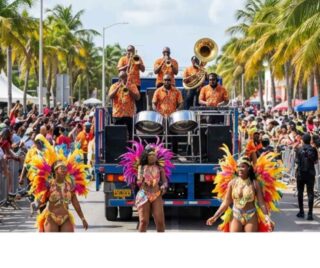
Carnival without music is like the ocean without waves—technically possible, but utterly unimaginable. From the sun-drenched streets of Aruba to the explosive energy of Rio de Janeiro, Carnival music isn’t just the soundtrack to celebration; it is the celebration itself. The songs chosen to lead the Carnival parades become anthems that define entire generations, soundtracking memories of revelry, freedom, and community. In the Caribbean, the selection of Carnival music is treated with the reverence of a national election, because in many ways, it is a vote on what will move the soul of a nation.

Behind the music and costumes, an intricate logistics network ensures these celebrations run smoothly. Months before the Carnival season, Caribbean islands experience a surge in supply shipments—food, beverages, and specialty items that fuel weeks of festivities. This annual preparation is as essential to Carnival as the music itself.

🇦🇼 Aruba Carnival: The Road March Competition

In Aruba, the Road March competition is democracy in its most joyful form. The winner is determined by pure popularity—whichever song gets played most frequently during the Carnival parade route claims victory. DJs stationed along the parade track every song, creating a fascinating dynamic: artists must craft tunes that are not only catchy but irresistibly danceable for hours on end.

Local Aruba Carnival artists spend the year blending traditional soca, calypso, and tumba with modern production, creating a distinctly Aruban sound. When parade day arrives, costumed revelers bounce through the streets while DJs battle to keep the energy at fever pitch. The Road March winner achieves island immortality—their song becomes that year’s unofficial anthem. Artists like Corné Reynierse and Grupo Trapiche have claimed this honor multiple times, cementing their status as Carnival royalty.

As the music selection unfolds, so does the preparation. Warehouses and distribution centers acrossAruba fill with essential supplies, ensuring restaurants, bars, and vendors can meet the increased demand during Carnival season. This behind-the-scenes choreography is vital to the seamless experience revelers enjoy.

🇨🇼 Curaçao Carnival: The Tumba Festival Tradition
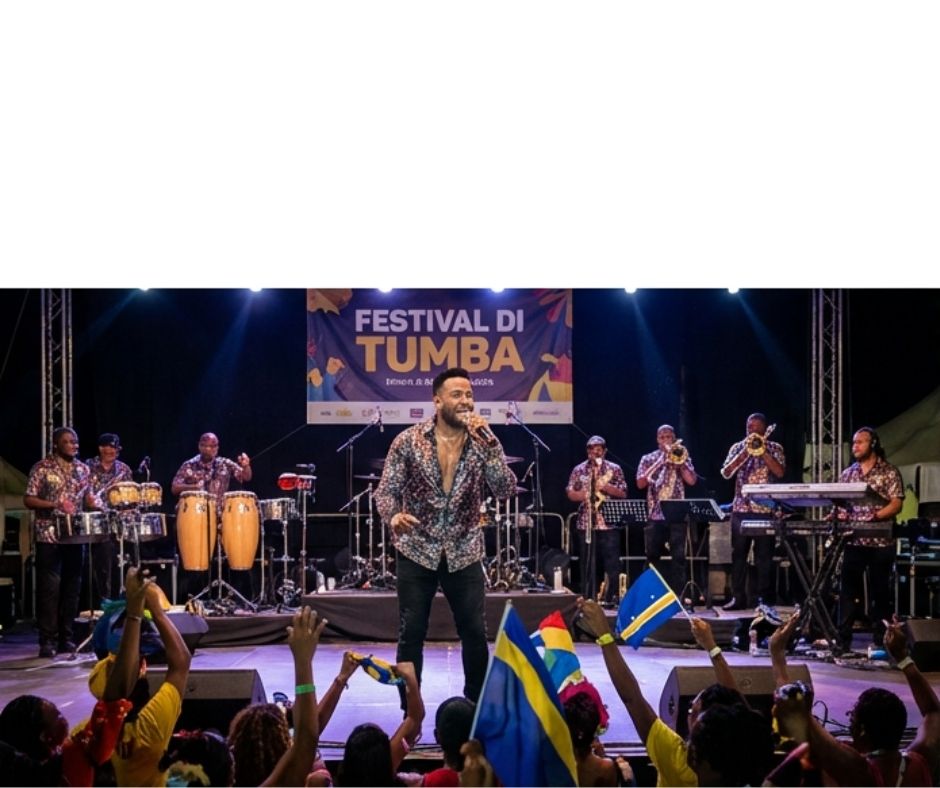
Curaçao takes a more structured approach with its Tumba Festival, an institution that has shaped the island’s musical identity since 1971. This multi-round competition showcases tumba—a rhythmically complex, distinctly Curaçaoan genre characterized by syncopated percussion, call-and-response vocals, and lyrics rich with social commentary or storytelling.

Over several weeks, preliminary rounds narrow dozens of entries to select finalists judged on musicality, lyrical creativity, arrangement quality, and performance energy. The Rey di Tumba (King of Tumba) and Reina di Tumba (Queen of Tumba) titles go to artists whose compositions best embody the genre’s spirit and technical excellence. The Official Tumba becomes the island’s Carnival anthem, played endlessly during parade season.

The winning tumba must satisfy both connoisseurs and dancers—a delicate balance of artistic merit and popular appeal. Legends like Izaline Calister, Oswin “Pollo” Chin Behilia, and Ruby Bastiaans have claimed multiple victories, each bringing their unique voice to this beloved Curaçao Carnival tradition.

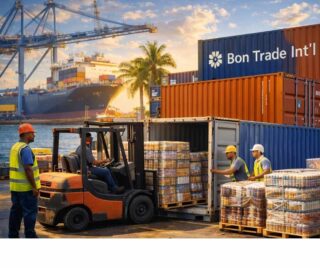
Like Aruba, Curaçao sees a significant increase in supply logistics as Carnival approaches. From specialty beverages to festival essentials, companies specializing in Caribbean logistics play a crucial role. At Bon Trade, we’re proud to be part of the supply chain that supports these vibrant celebrations, helping ensure that Aruba Carnival and Curaçao Carnival have everything needed to make each season unforgettable.

Carnival Music Around the World
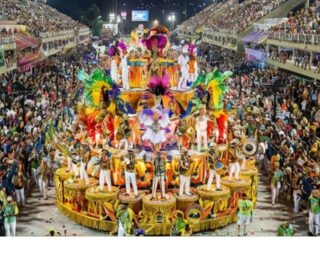
Trinidad and Tobago Carnival revolves around Soca music competitions, with artists like Machel Montano and Bunji Garlin achieving international fame. Brazil Carnival features samba schools composing elaborate samba-enredos performed by thousands, with winning songs dominating national airwaves. New Orleans Mardi Gras, with French Catholic colonial roots dating to the 1700s, features brass band culture and second lines—less structured competition, more spontaneous celebration where enslaved Africans created parallel musical traditions to the Caribbean.

The Lasting Legacy: Carnival Music as Cultural Identity

Carnival music is far more than entertainment—these songs are cultural preservation in motion. Each winning anthem becomes a time capsule, capturing the language, concerns, and spirit of its moment. This musical tradition has launched extraordinary international careers: Machel Montano performs globally, Claudette Peters brought Curaçaoan tumba to international stages, and Brazilian samba stars like Martinho da Vila built legendary careers on Carnival foundations.

The annual cycle of creation, competition, and celebration keeps these traditions vibrantly alive. Young artists study the masters, experiment with new sounds, and pour creativity into crafting the next great anthem. Meanwhile, the logistical expertise of companies like Bon Trade ensures that the physical infrastructure—the food, drinks, and supplies—supports the creative spirit. In doing so, we all ensure that Carnival’s heartbeat—that irresistible rhythm that makes millions move as one—continues pulsing strong, year after glorious year.
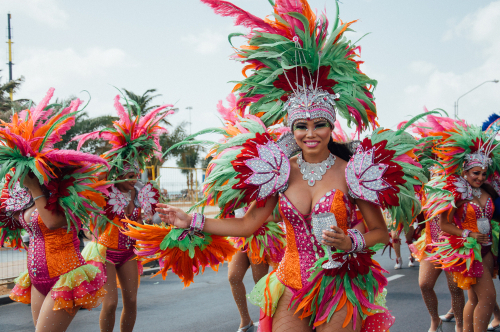
Aruba Carnival
Happy Carnival! May the road march forever play! 

Curacao-2.jpg

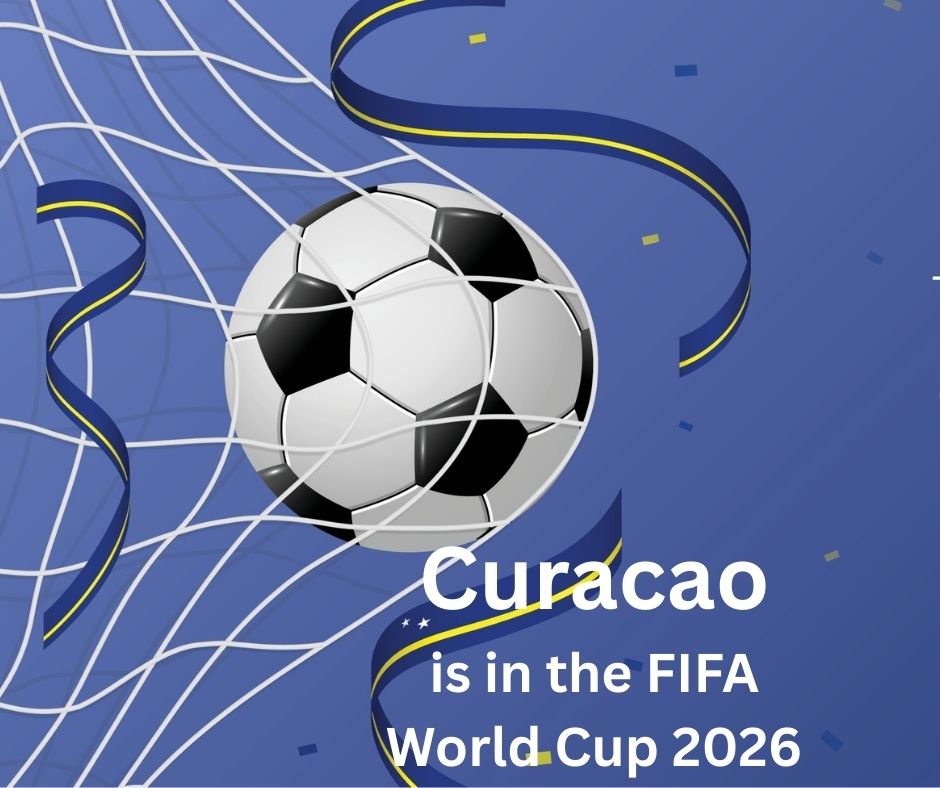
Against All Odds: Curaçao Soccer’s Historic Journey to the 2026 World Cup

As a proud Curaçaoan and owner of Bon Trade International, I never thought I’d see this day in my lifetime. In November 2025, our tiny island—home to just 156,000 souls—achieved what the world said was impossible. When that final whistle blew in Kingston, we secured a 0-0 draw against Jamaica. Curaçao soccer made history that night. We became the smallest nation ever to qualify for a FIFA World Cup, shattering Iceland’s record. The streets of Willemstad erupted in celebration. Families poured out of their homes. Strangers embraced. Tears of joy flowed freely. Our little rock in the Caribbean had just earned a seat at football’s biggest table, and every single one of us felt ten feet tall.

For over 30 years, Bon Trade has served this island, shipping goods that help our community thrive. But no cargo we’ve ever delivered compares to the pride Curaçao soccer delivered to our hearts that November night.

A Dream Realized

Dick Advocaat – Curacao Soccer coach


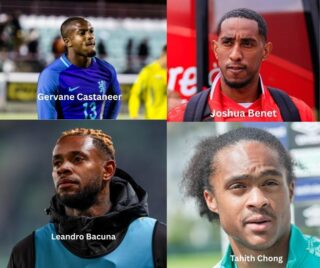
 Dick Advocaat led this historic campaign. The legendary 78-year-old Dutch coach had previously guided the Netherlands and South Korea to World Cups. His appointment brought   world-class expertise to Curaçao soccer. He transformed our team from regional underdogs into organized competitors. The squad featured brilliant players like Gervane Kastaneer,   who scored five crucial goals during qualification. Midfielder Leandro Bacuna provided three vital assists. Many players were born in the Netherlands but chose to honor their   Curaçaoan heritage. Joshua Brenet and former Manchester United prospect Tahith Chong wore our colors with pride.

From Church Gardens to the World Stage

Curaçao soccer began in 1909. Young islanders returned from studying in the Netherlands and established CVV Republic, our first football club. The very first match took place in the garden of the Santa Famia Church. Catholic friars helped clear land for proper playing fields. By 1921, the Curaçao Football Federation organized the first championship with eight clubs.

The golden era came in the 1940s-50s. In 1946, Curaçao soccer stunned Dutch giants Feyenoord 4-0. Goalkeeper Ergilio Hato delivered a legendary performance that earned him the nickname “El Pantera Negra” (The Black Panther). The following year, before 37,000 spectators in Rotterdam, we held Feyenoord to a thrilling 3-3 draw. Curaçao won gold at the 1950 Central American and Caribbean Games. We captured bronze at the 1955 Pan-American Games. These victories established Curaçao soccer as a Caribbean power.

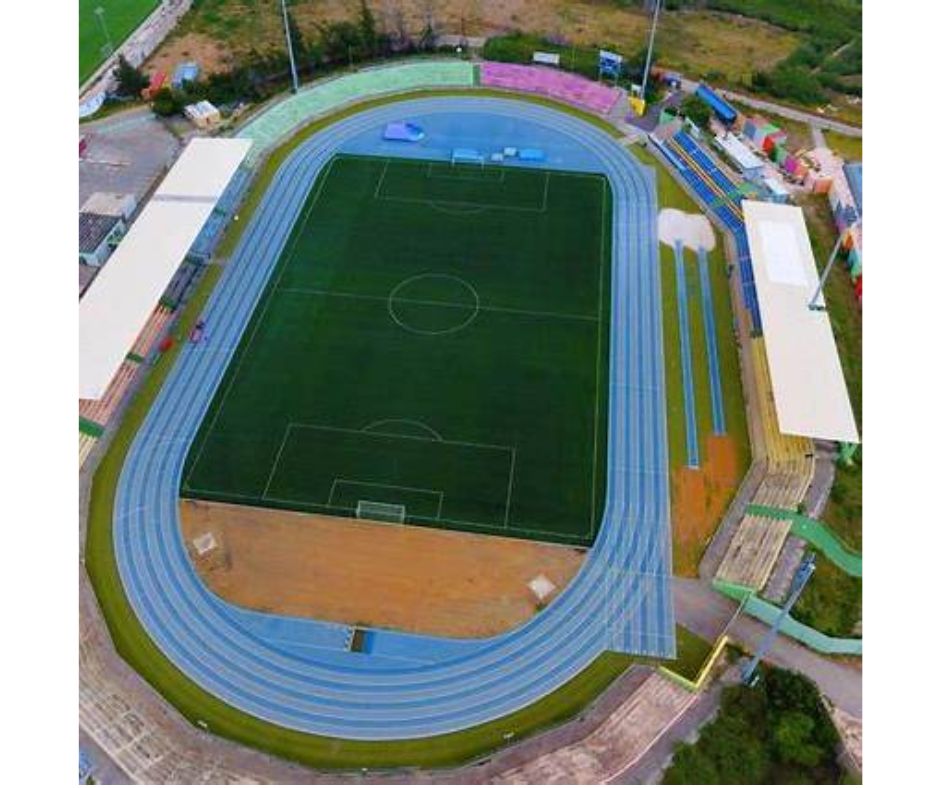
Ergilio Hato Stadium in Curacao

The Long Road Back

The Netherlands Antilles dissolved in 2010. Curaçao soccer had to rebuild as an independent nation. The early years brought difficulty. We faced early exits in World Cup qualifying and struggled in regional competition. The turning point came around 2014. Curaçao soccer began recruiting players of Curaçaoan descent from European leagues. This strategy brought higher-level experience to our team.

The breakthrough arrived in 2017. Curaçao captured our first Caribbean Cup championship. We defeated six-time champions Jamaica 2-1 in the final. Willemstad-born striker Elson Hooi scored both goals in an unforgettable victory. This success transformed our program. It qualified us for the 2017 CONCACAF Gold Cup. By 2019, Curaçao soccer reached the Gold Cup quarterfinals. We announced our arrival among CONCACAF’s competitive nations.

The Historic Qualification

The 2026 World Cup qualifying cycle presented an unprecedented opportunity. The tournament expanded to 48 teams. The host nations received automatic berths. More pathways opened for smaller nations. Under Advocaat’s guidance, Curaçao soccer played with remarkable consistency. We opened with a commanding 7-0 victory over Bermuda. We methodically accumulated points throughout the campaign.

The decisive match came on November 18, 2025, in Kingston. We needed just a draw. Curaçao soccer withstood immense pressure. Jamaica struck the woodwork three times. Officials overturned a stoppage-time penalty. The 0-0 result secured first place and automatic qualification. Celebrations ignited across our island and in the Dutch diaspora community.

A Testament to Perseverance

For 116 years, we’ve loved this beautiful game. From those first kicks in a church garden to the world’s biggest stage, Curaçao soccer has given us triumph and heartbreak. We’ve celebrated legendary heroes like Ergilio Hato. We’ve experienced countless moments that united our island. The 1946 victory over Feyenoord inspired us. The 1950 gold medal proved our talent. The 2017 Caribbean Cup brought us closer to this dream. Each milestone mattered.

Now, as we prepare for 2026, every Curaçaoan carries this achievement in their heart. Our children will grow up knowing that on our small island, we proved something powerful. Passion, unity, and determination can overcome any obstacle. When our boys take the field at the World Cup, they won’t just represent 156,000 people. They’ll carry the dreams of every generation that believed in Curaçao soccer.

At Bon Trade, we’ve spent three decades connecting our island to the world through reliable freight services. Now Curaçao soccer has connected us to the world in a way we never imagined. We are small, but our hearts beat as loud as any nation on earth. This is our moment, and we’ve earned every second of it.


CaribbeanAdoption-1200x675.jpg

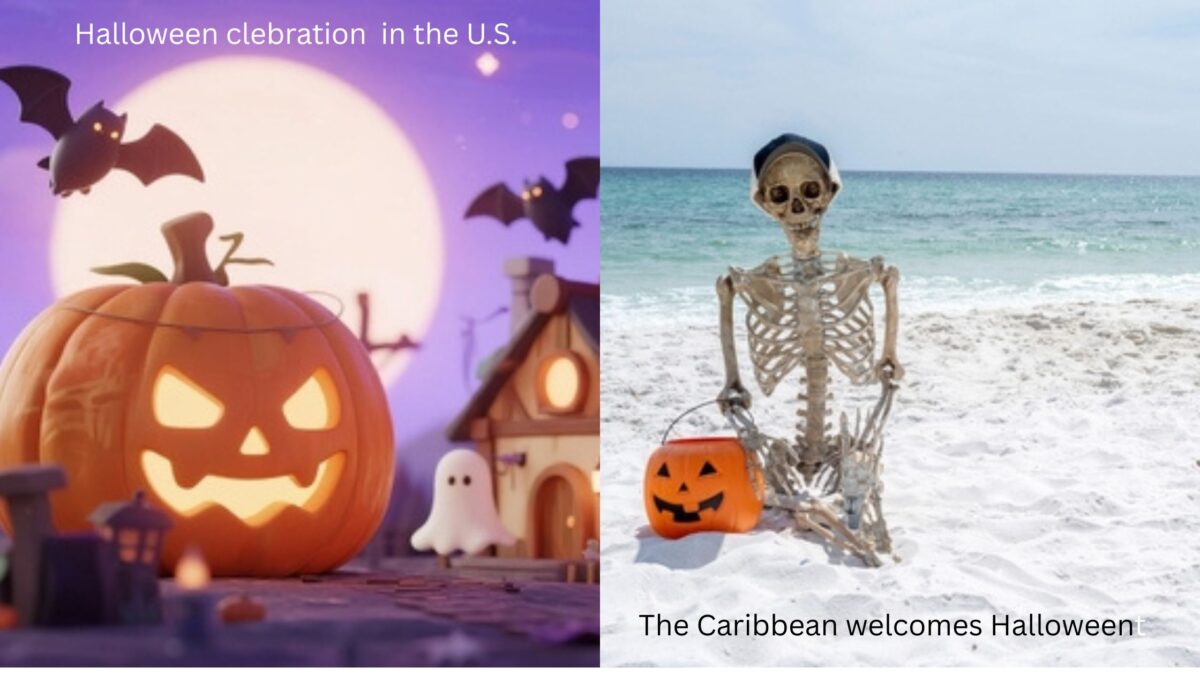
When I first arrived in the United States in 1978, Halloween was completely foreign to me. Growing up in the Caribbean, October 31st was just another day—no jack-o’-lanterns, no costumes, no candy. Fast forward to today, and Halloween has become a vibrant, commercialized celebration throughout the Caribbean, with costume parties, themed events, and all the commercial trappings of this once-alien holiday.

What Is Halloween?

Halloween traces back over 2,000 years to the Celtic festival of Samhain, when ancient peoples believed the boundary between the living and dead grew thin. Irish immigrants brought these traditions to America in the 19th century, where trick-or-treating emerged in the 1930s-40s. Today, Halloween ranks as America’s second-largest commercial holiday after Christmas. But how did this thoroughly American celebration reach Caribbean shores?

Tourism Opens the Door

The transformation began in the 1980s when air travel became affordable for middle-class North Americans. Mass tourism to the Caribbean exploded, with large-scale cruise tourism becoming commonplace by the 1990s. Hotels and resorts, eager to satisfy their predominantly North American clientele, started hosting Halloween parties and themed events.

But it wasn’t just tourism. Caribbean islands have always maintained strong ties to the United States, with many Caribbean nationals living abroad and sending cultural influences back home. Hollywood movies and American television shows constantly depicted Halloween celebrations, making the once-foreign holiday increasingly familiar to young Caribbeans.

Caribbean-Style Halloween Emerges

By the early 2000s, Halloween had evolved from an occasional resort activity into a genuine cultural phenomenon. What makes Caribbean Halloween unique is how it has been adapted to island character. Unlike cold autumn nights with falling leaves, Caribbean Halloween happens under tropical skies with a carnival-like energy.

The most fascinating aspect? Caribbean Halloween celebrations now incorporate local folklore like the Soucouyant (a shape-shifting witch), La Diablesse (a spectral she-devil), and Jumbies (mischievous spirits). Historic sites offer ghost tours blending colonial history with supernatural lore—Jamaica’s Rose Hall Great House and Puerto Rico’s Old San Juan forts have become Halloween destinations.

The commercialization is unmistakable. Stores stock Halloween merchandise, bars host premium-priced events, and social media showcases elaborate island parties that rival Carnival celebrations in some locations.

The Cultural Debate

Not everyone welcomes this transformation. Some view Halloween as American cultural imperialism—an unwanted consumerist import displacing authentic Caribbean traditions. In a heavily Christian region, pockets of resistance see the holiday as celebrating darkness.

Yet many Caribbeans, especially younger generations, have embraced Halloween enthusiastically. For them, it’s not about abandoning Caribbean culture but adding another celebration—one more excuse for creativity and community gathering. The incorporation of Caribbean folklore makes it feel less like cultural colonization and more like cultural fusion.

A Complete Transformation

The contrast between 1978 and 2025 is stark. What was once unknown has become established. Children in many Caribbean territories now experience Halloween with school parties, costume parades, and trick-or-treating in hotels and gated communities.

Halloween’s journey from foreign concept to Caribbean tradition exemplifies how globalization reshapes cultural practices. Is a tradition less valid because it was imported? Does commercialization diminish meaning? Can borrowed practices become genuine?

Perhaps the most balanced perspective recognizes both losses and gains. Caribbean Halloween isn’t simply American Halloween transplanted—it’s Caribbean Halloween, with its own flavor, incorporating local legends, happening under tropical skies, and celebrated with characteristic island energy.

For those of us who remember when Halloween was completely foreign to Caribbean shores, watching October 31st become an island tradition has been remarkable. Culture is never static—it evolves, adapts, and sometimes adopts practices from elsewhere, transforming them in the process.


caribbean-1.jpg
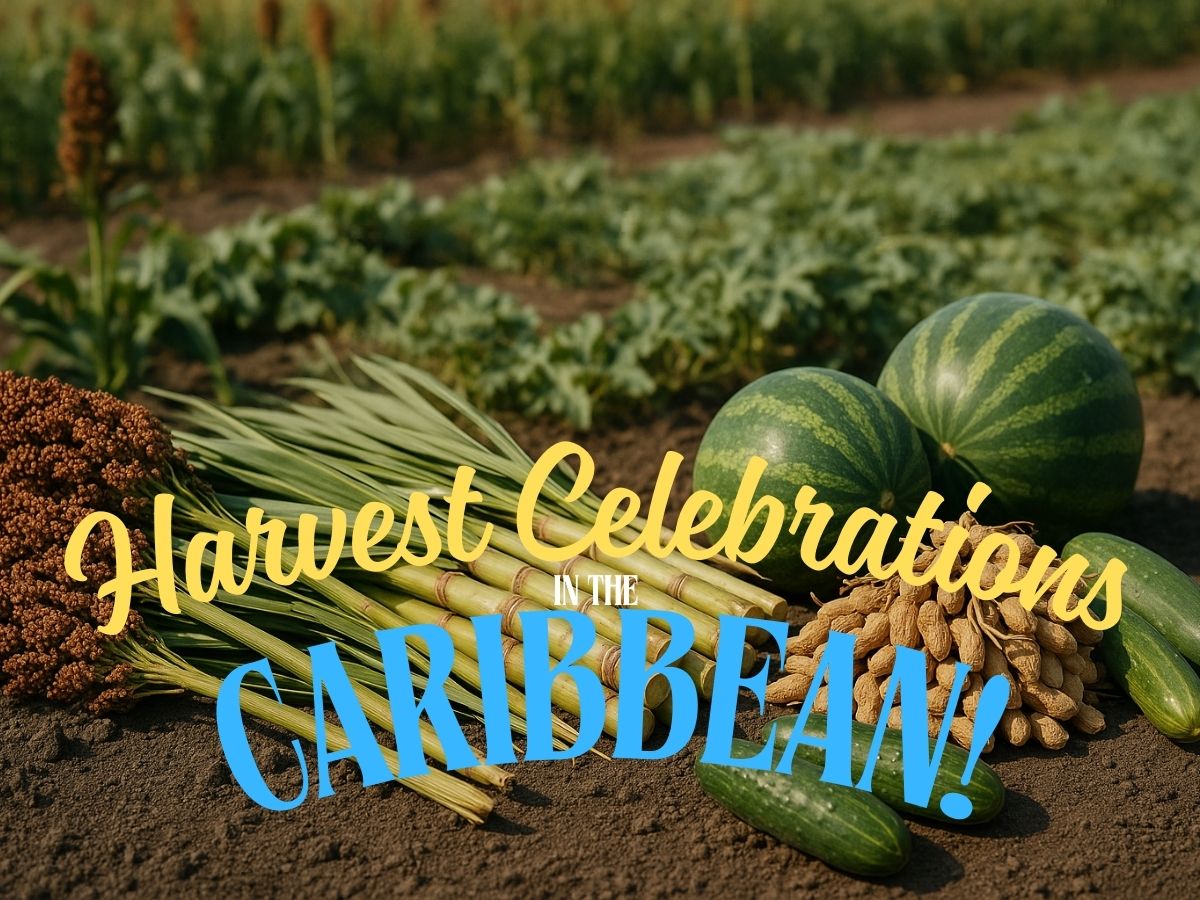
Harvest Festivals of the Caribbean: From Cassava to Sugarcane
Cassava root

Picture this: turquoise waters, warm trade winds, and colorful celebrations that tell stories of survival and community. That’s the Caribbean for you. But here’s what most people don’t realize – the real soul of these islands beats strongest when communities come together to celebrate their agricultural heritage.

Harvest festivals of the Caribbean aren’t just seasonal parties. They’re living connections to how our ancestors turned hard work into celebration. Growing up in Curaçao, I learned that every celebration had roots in the land, even if the original farming traditions had evolved into something entirely different.

Where It All Started: Indigenous Foundations

Long before European ships appeared on the horizon, Caribbean islands thrived with Indigenous communities. The Taíno and Caquetío peoples were skilled farmers who understood something we’re still learning today – that agriculture creates community bonds that last for centuries.

In Curaçao, Aruba, and Bonaire, these Indigenous groups cultivated cassava, yams, corn, beans, squash, and peppers. Making “casabe” (cassava bread) was a community affair that brought families together. These weren’t just cooking methods – they were cultural practices that built social connections. On individual islands and between islands.

Caribbean Harvest


The Indigenous peoples held communal harvests where gratitude and sharing took center stage. They knew island life could be unpredictable. So when the land provided, they celebrated together. This foundation of community celebration still echoes in today’s harvest festivals of the Caribbean.

African Influences: New Traditions in New Lands

When enslaved Africans arrived, they brought diverse agricultural knowledge and cultural traditions. While specific West African harvest festivals like yam celebrations existed in their homelands, Caribbean enslaved communities created new traditions that blended African practices with local realities.

On islands like Curaçao and Bonaire, small provision grounds called “kunuku” became vital to survival. Families grew sorghum, pumpkins, peanuts, watermelons, cucumbers, and

Curacao Kunuku

peppers on these plots. These gardens provided both sustenance and a measure of cultural autonomy that plantation systems couldn’t control.

These kunuku harvests became occasions for community gathering. People shared not just food, but music, stories, and traditions that helped preserve cultural identity under difficult circumstances.

Modern Festival Evolution: Seú and Island Celebrations

Today’s harvest festivals of the Caribbean have evolved far from their agricultural origins, but they maintain the spirit of community celebration.

Curaçao’s Seú Harvest Parade is a perfect example. While it carries the name “harvest,” this vibrant festival actually began in 1976 as a cultural celebration. Every Easter Monday, Willemstad comes alive with dancers, drummers, and colorful parades that honor the island’s agricultural heritage, even though most participants aren’t farmers themselves.

Aruba’s Dera Gai has deeper historical roots, dating back to 1862. Originally held on St. John’s Day to thank the gods for good harvests and mark new planting periods, this tradition involved ceremonial practices that connected communities to agricultural cycles. Today it’s evolved into a cultural celebration that keeps these connections alive through music and community gathering.

Salt, Sugar, and Island Specialties

Not every Caribbean island followed the same agricultural path. The Dutch Caribbean islands each developed distinct specialties that shaped their cultural celebrations.

Salt producton in Bonaire

Curaçao became known for salt production and citrus cultivation. Those famous bitter oranges that created Curaçao liqueur weren’t just crops – they became symbols of island ingenuity. Bonaire’s salt flats created their own rhythm of work and celebration. Those striking white salt pyramids you see today represent centuries of labor that connected this small island to global trade.

Sint Maarten had stronger ties to sugarcane cultivation. The cycles of planting, harvesting, and processing sugar became woven into the island’s cultural fabric and celebration patterns.

Big Island Traditions: Jamaica, Barbados, and Beyond

The larger Caribbean islands created some of the most spectacular harvest festivals of the Caribbean:

Jamaica’s Junkanoo originated as a Christmas celebration that marked the end of harvest seasons. This explosive festival of African-inspired rhythms, elaborate costumes, and community participation spread throughout the Caribbean, showing how agricultural celebrations could grow into cultural phenomena.

Barbados hosts Crop Over, the Caribbean’s most famous harvest festival. This tradition genuinely dates back to the 1780s, when plantation workers celebrated the end of sugar cane cutting season. After disappearing for decades, it was revived in 1974 and now culminates in the spectacular Kadooment Day parade that attracts visitors worldwide.

Grenada, the “Spice Isle,” celebrates its aromatic heritage through festivals centered around nutmeg, mace, cinnamon, and cocoa. The island’s volcanic soil creates perfect conditions for spice cultivation, and harvest celebrations often blend into carnival seasons.

Music, Food, and Cultural Connection

What makes harvest festivals of the Caribbean special is how they transformed work into art. Music became the heartbeat of these celebrations.

On Curaçao, tambú music provided rhythmic foundations for community gatherings. These drumbeats and chants weren’t just entertainment – they were cultural preservation tools that kept African-influenced traditions alive across generations.

Food tied everything together. Dishes like funchi (cornmeal), stoba (hearty stews), and pan bati (corn bread) became centerpieces of harvest celebrations. These simple, filling meals celebrated local ingredients and created occasions for sharing and community bonding.

Today’s Living Celebrations
Cultural Expressions

These festivals aren’t historical artifacts – they’re evolving cultural expressions:

  • Curaçao’s Seú continues as a vibrant Easter Monday celebration that honors agricultural heritage through modern cultural expression
  • Aruba’s cultural festivals keep connections to farming traditions alive through music and community events
  • Bonaire’s Simadan celebrates island culture with references to kunuku traditions
  • Sint Maarten incorporates harvest themes into Carnival and cultural celebrations
  • Barbados’ Crop Over remains the Caribbean’s premier carnival-harvest festival fusion
  • Grenada continues spice-centered celebrations that highlight the island’s agricultural specialties
The Trade Connection: Then and Now

Working in logistics and shipping, I see how these historical connections still influence Caribbean trade. Salt from Bonaire, liqueur from Curaçao, spices from Grenada – these products still travel routes established centuries ago.

The difference today is scale and purpose. Where once these goods sustained local communities, now they connect Caribbean culture with global markets while maintaining cultural significance at home. At Bon Trade we are proud to be part of the logistical systems that connect the Caribbean to the rest of the world.

Why These Celebrations Matter

Harvest festivals of the Caribbean remind us that culture grows from practical needs. These celebrations started as ways to mark seasonal cycles, share resources, and strengthen community bonds during challenging times.

Today, they serve different but equally important purposes. They preserve cultural memory, create tourism opportunities, and give communities reasons to come together in celebration rather than just necessity.

From Bonaire’s salt heritage to Grenada’s spice traditions, from Barbados’ sugar legacy to Jamaica’s musical innovations – the Caribbean’s festival story is really about human adaptability. It shows how communities can transform work into art, survival into celebration, and individual effort into collective joy.

The Real Harvest

The most important harvest these festivals celebrate isn’t agricultural – it’s cultural. They harvest memories, traditions, and community connections that might otherwise be lost to modernization.

Whether you’re watching Seú dancers in Willemstad, joining Crop Over festivities in Barbados, or experiencing spice festivals in Grenada, you’re participating in traditions that stretch back centuries while continuing to evolve today.

That’s the real magic of harvest festivals of the Caribbean – they plant seeds of cultural connection that keep growing, generation after generation.

At Bon Trade we celebrate the the cultural diversity of the Caribbean, the music, the people and the creativity that only seems to grow over time.

Carribean Culture and Heritage

WomemSiuffrageUSA.jpg
How America Finally Caught Up to the World

August 26th marks Women’s Equality Day in the United States. This commemorates when women gained the right to vote through the 19th Amendment – but America was surprisingly late to the party.


America Was Behind: The Global Women’s Right to Vote Timeline

At least 20 nations preceded the U.S. in granting women the right to vote, making Women’s Equality Day a long-overdue celebration. New Zealand led the world in 1893, followed by Australia in 1902 and Finland in 1906.

While these countries recognized a woman’s right to vote, American women waited another 27 years after New Zealand for their Women’s Equality moment.


The 72-Year American Battle for Women’s Right to Vote
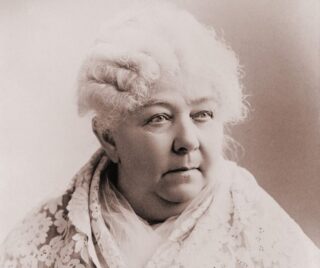
Elizabeth Cady

The movement sparked in 1848 at Seneca Falls, New York. Elizabeth Cady Stanton stood before 300 people demanding women deserved the vote.

Most attendees gasped. Even women thought the idea was too extreme for women’s voting rights to ever exist.

Why America Resisted Women’s Right to Vote

Opponents had “logical” arguments against women’s right to vote. Women were too emotional for politics. Politics would corrupt women’s pure nature.

The real reason was simpler: power. Male politicians feared losing control, delaying Women’s right to vote for decades.


Suffragettes Changed the Women’s Equality Day Game
Susan B. Anthony

By 1900, a new generation took charge. Susan B. Anthony had been arrested for voting illegally. Alice Paul brought British protest tactics to America.

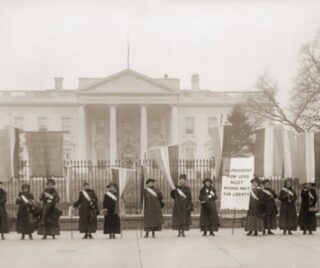
“Mr. President, how long must women wait for liberty?” became the rallying cry for the right to vote movement.


Prison Made the Women’s Right to Vote Movement Stronger
White House picketing

Suffragettes faced arrest, force-feeding, and brutal treatment. The “Silent Sentinels” picketed the White House daily.

Prison conditions were horrific. Guards denied medical care. Food was inedible.

Yet these women persisted in fighting for Women’s Equality Day. Each arrest brought more media attention.

World War I Accelerated Women’s Right to Vote

President Wilson called World War I a fight for democracy abroad. Suffragettes saw the irony regarding women’s right to vote.

How could America spread democracy while denying half its citizens voting rights? European allies already recognized women’s right to vote.

The protests embarrassed Wilson internationally, finally pushing America toward giving women the right to vote.


The 19th Amendment Created Women’s Equality Day
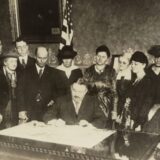
Women’s right to vote ratification in Colorado

The House passed the 19th Amendment in 1919. The Senate followed months later.

Tennessee became the deciding vote. Harry Burn, age 24, received a letter from his mother urging support for women’s suffrage.

Burn switched his vote. The 19th Amendment passed by one vote, creating Women’s Equality Day.


Women’s Equality Day Impact Was Immediate

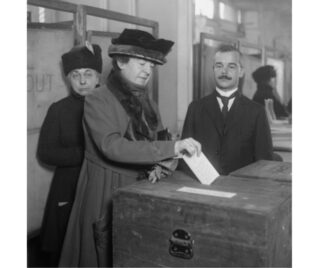
Twenty-six million women could suddenly vote and politicians scrambled to win female support.

Campaign strategies changed overnight. Issues like child welfare and education gained prominence.

The electorate doubled virtually overnight thanks to Women’s Equality Day, finally bringing America in line with progressive nation.


Why Women’s Equality Day Matters Today
Women Voting for the 1st time.

Women’s Equality Day proves that determined people can change systems. The women’s right to vote movement shows persistence pays off.

Every vote you cast honors those who fought for that right. Every civic participation continues the Women’s Equality Day legacy.

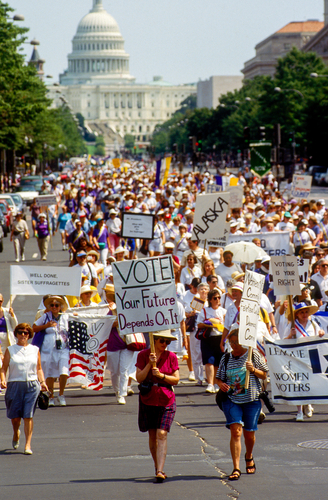
Register. Vote. Participate. Democracy depends on it, just as Women’s Equality Day reminds us.

Ready to honor the Women’s Equality Day legacy? Check your voter registration status today. Your voice matters as much as the suffragettes who created this historic victory.


Happy4thofJulyB-1.jpg

Every year on July 4th, the United States of America celebrates Independence Day. This national holiday marks the adoption of the Declaration of Independence in 1776. It is a day when Americans honor their freedom and the birth of a nation built on liberty.

Across the U.S., people celebrate in many ways. You’ll see American flags waving in front yards, fireworks lighting up the night sky, and families gathering for barbecues and parades. It’s a time to come together, reflect, and appreciate the values that shape this country.

It took great sacrifice to get here

The Star-Spangled Banner, the national anthem of the U.S.A., reminds us of the sacrifices made for freedom. As the lyrics say:

“O say does that star-spangled banner yet wave,O’er the land of the free and the home of the brave?”
These words still inspire pride and unity more than 200 years later.

What the 4th of July really means

Independence Day in the U.S.A. is more than just fireworks. It’s about the courage and vision of those who fought for independence. It’s about remembering the journey from thirteen colonies to a free republic. And it’s about celebrating the rights and responsibilities that come with that freedom.

Whether you’re watching a fireworks display, listening to patriotic music, or simply spending time with loved ones, take a moment to honor what Independence Day in the U.S.A. truly means.

Happy 4th of July!


HappyFlagDay-scaled.jpg

Every year on July 2, the people of Curaçao come together to celebrate Curaçao Flag and National Anthem Day. This day is full of meaning and pride. It honors two powerful symbols of the island: the flag and the national anthem. Both represent the island’s culture, history, and unity.

A Flag with Deep Meaning

The Curaçao flag was officially adopted in 1984. It was designed by Martin den Dulk, a young man who was only 18 years old at the time. His design was chosen in a national competition.The flag has a simple but strong look. The blue background stands for the sky and the sea that surround Curaçao. A bright yellow stripe near the bottom represents the Caribbean sun. In the top left corner are two white stars. These stars stand for Curaçao and the small nearby island of Klein Curaçao. Each star has five points, which represent the five continents from which the island’s people come. This flag shows both pride and unity.

The Anthem’s Church Roots

The Curaçao national anthem is called Himno di Kòrsou. The words were first written in 1888 by a Catholic friar named Friar Radulphus. At first, they were sung to the tune of the Dutch national anthem.

Later, in the 1930s, a new melody was composed by Friar Candidus Nouwens, another Catholic priest. The anthem was updated again in 1978, and today, the version with the new music and lyrics is used across the island. Most of the time, only the first and last verses are sung. The anthem is usually sung in Papiamentu, the local language spoken by most of Curaçao’s people.

How Curacao Celebrates this Holiday

July 2 is a public holiday in Curaçao. People do not go to work or school. Instead, they take part in community events. In places like Otrobanda, Montaña, Barber, and Plaza Brion, you’ll see flag-raising ceremonies, parades, traditional dances, and people wearing colorful island clothing.
Cultural groups perform music and dances that celebrate Curaçao’s African and Caribbean heritage. Children learn about the flag and anthem in school, and many can recite the anthem with pride.
There are also local markets, art displays, and food stalls where people enjoy local treats. The flag flies high on buildings and homes, and you can feel the strong sense of identity and pride everywhere.

Why It Matters

Curaçao Flag and National Anthem Day is more than just a day off. It is a reminder of the island’s journey. From colonial times to becoming a self-governing country within the Kingdom of the Netherlands, Curaçao has created its own voice. The flag and anthem help tell that story.

If you ever visit Curaçao in early July, you’ll get a real sense of what makes the island special. From the symbols on the flag to the proud words of the anthem, this day brings the people of Curaçao together in joy and pride.

                  Brionplein Otrobanda

Featured-Image.jpg

Every year, something magical happens in June

Earth's seasons

The sun rises earlier. It sets later. And on one specific day, it shines longer than on any other. That day is the Summer Solstice—the official start of summer in the Northern Hemisphere.

But the Summer Solstice 2025 isn’t just about beach weather and backyard barbecues.

The Summer Solstice has deep roots in history, science, and culture.

What Is the Summer Solstice?

The word solstice comes from Latin: sol (sun) and sistere (to stand still). On this day, the sun appears to pause in the sky, reaching its highest point.

It usually falls on June 20th or 21st. In 2025, it will occur on June 20th.

This is the day when Earth’s North Pole is tilted closest to the sun. Because of this, we get the longest stretch of daylight all year.

In some places like Alaska or Scandinavia, the sun barely sets. They call it Midnight Sun.

Why Does It Matter?

Stonehenge in the UK

Ancient civilizations noticed the solstice long before modern science explained it.

Stonehenge in England is perfectly aligned with the sunrise on this day. In Peru, the Inca built temples to mark it. Native American tribes held rituals to honor the sun’s strength.

Why?

Because sunlight meant survival. Crops could grow. Days were longer. Life felt easier.

Today, we may not depend on the sun in the same way. But the solstice still signals something powerful:

A turning point.

From this day forward, daylight hours will slowly shrink. The wheel of the seasons turns again.

The days start to get shorter after the Summer Solstice, but the days continue to get warmer till August, September or even October in the Nothern hemisphere depending on the lattitude you are at.  in South Florida it starts to feel a little cooler in late September and October.

How to Celebrate Today

Yoga in TImes Square

People all over the world still mark the summer solstice.

In Sweden, they dance around maypoles. In New York, thousands do yoga in Times Square. Others gather at ancient ruins, beaches, or parks just to watch the sunrise.

You don’t need a big ritual.

Just step outside. Feel the warmth. Watch the light. Take a moment to honor a day that’s been noticed for thousands of years.

Because in a world moving fast, the Summer Solstice invites us to pause — just like the sun seems to do.


THE LONGEST DAY OF THE YEAR.

TradeLanesM7.jpg

How Unified Teams in Miami, Aruba, and Curacao drive seamless shipping success

In shipping and logistics, there’s no such thing as a solo act. Every smooth shipment, every satisfied customer, every on-time delivery — it all comes down to teamwork.

At Bon Trade, we’re proud of the strong team we have at our Miami operations. But we’re even prouder of the way we work hand-in-hand with our amazing partners: Bolt Xpress Cargo in Curaçao and Ashley Broker in Aruba.

Together, we’re more than just separate teams in different places. We’re one team with one mission: to deliver the best freight and shipping services possible across the U.S. and the Caribbean. Shipping from Miami to Aruba and Curaçao is our passion and we work hard to make it the best possible service.

And the secret to our success? It’s simple: trust, clear communication, and shared goals.

We hear these words all the time. However, for trust to build, to have clear communications and to have shared goals, requires a specific working relationship.  We do not just service each others needs. Instead we have developed partnerships that are greater than sum of our parts and our customers can feel the difference.

Why Teamwork Matters in Caribbean Shipping

When you’re moving freight across borders to islands like Aruba and Curaçao, even small missteps can create big problems.

We can’t afford confusion, delays, or miscommunication. That’s why strong teamwork isn’t optional — it’s essential.

Because our teams stay connected and coordinated, we’re able to:

  • Move cargo faster and more efficiently
  • Keep documents complete and accurate
  • Navigate customs smoothly in Aruba and Curaçao
  • Keep our customers updated at every step

At Bon Trade, Bolt Xpress Cargo, and Ashley Broker, we’re all aiming for the same thing: to deliver excellent shipping services to our clients throughout the Caribbean.

Aruba Team

Curaçao Team

How We Make It Work: 4 Keys to Our Team Success

1. We Communicate All the Time

Communication is our superpower. Every day, we check in, share updates, and solve issues together — whether it’s by phone, WhatsApp, or our shared systems. No one is ever
left wondering what’s happening with a shipment.

Tip: Make communication easy and fast. The smoother it is, the stronger your teamwork will be.

2. We Share the Same Goals

It’s not “your shipment” or “my shipment”—it’s our shipment.
We all want fast service, careful handling, and satisfied customers. When everyone is chasing the same finish line, great teamwork just happens.

Advice: Set clear goals from the start and revisit them regularly to stay aligned.

3. We Trust Our Local Experts

Nobody knows Curaçao like the team at Bolt Xpress Cargo.

Nobody knows Aruba like Ashley Broker. And nobody knows Miami logistics like the team here at Bon Trade.

We trust each other to manage what we know best and back each other up when needed.

Lesson learned: Trust isn’t automatic. It’s earned — and once it’s built, it becomes the glue that holds a great logistics team together.

On the left: Curacao Director Melissa van Rosberg

CEO of Ashley Broker Ms.Tecla Croes

4. We Learn and Celebrate Together

Every shipment teaches us something new.

We talk about what went right, what we can improve, and how we can do even better next time. This is how our teamwork keeps getting stronger.

Simple tip: Celebrate your wins and learn from your misses. That’s the real path to growth.

The Results Speak for Themselves

Because of our strong teamwork, shipping from Miami to Aruba and Curaçao, we’re able to consistently deliver:

  • On-time shipments across the Caribbean
  • Complete, compliant shipping documents
  • Cargo that’s secure, traceable, and handled with care
  • A smooth and stress-free customer experience

Most importantly, we deliver something that every shipping customer values: trust. Our customers know they can rely on us because we rely on each other.

One Mission, Many Hands

At Bon Trade, we believe teamwork is what sets us apart in the shipping industry.

It’s what keeps freight moving across borders, through ports, and onto doorsteps in places like Aruba, Curaçao, and beyond — without the headaches. It’s the combined power of the Miami crew, expert agents in Aruba and Curaçao, and strong relationships built on clear communication, trust, and shared goals. So whether you’re a customer, a partner, or just curious about how a logistics team really works — know this: Behind every shipment we move, there’s a team pulling together to make it happen.

And we’re just getting started.


Blog-ImageB.jpg
Where do flamingos live and breed?

Flamingos, with their striking pink plumage and elegant stance, have long captured the admiration of nature lovers. These birds are highly social. They wade gracefully through shallow waters in search of food.

FlamingosFlamingos inhabit various regions across the world, including the Americas, Africa, Europe, and Asia.  While often linked to tropical destinations, the Caribbean islands of Aruba, Bonaire, and Curaçao serve as crucial breeding and feeding grounds for flamingos. Among these, Curaçao plays a key role in sustaining flamingo populations.

Flamingos migrate to Curaçao as part of their yearly journey across the Caribbean. The island’s salt flats, lagoons, and wetlands provide an ideal place for them to rest and reproduce. Shallow waters rich in algae, crustaceans, and other food sources help maintain their vibrant pink color. Curaçao’s isolation and warm climate create a safe haven. Here, flamingos engage in courtship displays, build mud nests, and raise their young in a secure environment. These factors make Curaçao a vital part of the regional flamingo ecosystem.

Breeding conditions that attract flamingos

Flamingo nestEach year, flocks of flamingos arrive in Curaçao to breed. They primarily settle in areas such as the Jan Thiel Lagoon. This lagoon is closed off from the ocean and was used to harvest sea salt for use in a oil refinery plant.  This briny lagoon is perfect for the flamingos to breed. It not only harbors brine shrimp colonies that flamingos love to feed on and gives them their pink plumage. It is also an environment that repels other animals.


Their nests, made from hardened mud, rise above the water level to protect eggs from flooding and predators. After an incubation period of 28-32 days, the eggs hatch. Small, gray-feathered chicks emerge. In time, they develop the iconic pink hues of adulthood. The young flamingos stay under the care of both parents, who take turns feeding them a secretion known as “crop milk.”

More than a part of the ecosystem

For me, flamingos are more than just a stunning part of Curaçao’s natural beauty. They are deeply woven into my family’s history. Growing up my grandfather owned the Jan Thiel plantation. All through my childhood and teenage years, I had the privilege of witnessing the annual return of these birds. Seeing their nests scattered across the wetland, with tiny white eggs cradled inside, was unforgettable. Watching the chicks hatch and take their first steps was magical. It was a testament to the cycle of life in Curaçao’s wetlands.
Note: The white stuff in the next picture is foam formed from the saturated salt water in the lagoon.

Flamingos in Janthiel lagood
A biology teacher took this picture in the Janthiel Lagoon in the 1970’s
We need to protect the flamingos habitat

Today, Curaçao remains a safe haven for flamingos. Conservation efforts and awareness campaigns help protect their habitats. As human development expands, it is crucial to keep these ecosystems intact. This ensures that future generations can witness the beauty of flamingos just as I did.

Flamingos are more than just beautiful birds. They symbolize nature’s resilience and Curaçao’s rich biodiversity. Their presence reminds us of the delicate connection between land, water, and wildlife. By protecting the habitats that sustain them, we help preserve a remarkable species. These birds have graced the Caribbean’s shores for generations, and with care, they will continue to do so.

curacao flamingo haven


Bon Trade Intl. Corp. 40th Anniversary
Bon Trade Intl. Corp. was founded in 1984 to be a service company in support of the export trade to the Caribbean from South Florida, The Gateway to the Caribbean, and South America.

Read more >>>

REACH US

305-593-1177